Create TTRPG Festivals Inspired by Obscure Holiday Traditions Around the World

One of the easiest ways to make a tabletop roleplaying world feel alive is to give it holidays. Not just generic harvest festivals or winter feasts, but celebrations that feel specific, strange, and rooted in the lives of the people who observe them. Looking to lesser-known holiday traditions from around the world can offer rich inspiration, as long as we approach them with curiosity and care.
The trick is to ask what a tradition does for the people who celebrate it. Does it build community, release social pressure, scare people into behaving, or just give everyone an excuse to be a little weird together? Once you have that, you can translate it into a festival that fits your setting and gives your table something fun to engage with.
Holiday tradition examples to inspire your TTRPGs
Below are several traditions and examples of how their underlying ideas can inspire memorable tabletop RPG festivals.
The Yule Cat and the Festival of “Did You Pull Your Weight?”
In Icelandic folklore, the Yule Cat, Jólaköttur, prowls during winter, devouring those who did not receive new clothes before Christmas. Grim, yes (especially if you didn’t get a sweater this year!). But underneath the giant cat's teeth is a story about communal care during a hard season.
In a tabletop game, this can become a winter festival where players must participate in acts of mutual aid before nightfall. Perhaps crafting, trading, or gifting symbolic tokens of protection to NPCs keeps a supernatural threat at bay. Players might need to help NPCs finish winter preparations before sundown or face increasingly ominous signs that something big and furry is watching.
The focus is not fear, but reinforcing that survival depends on collective effort. Mechanically, this works great as a collaborative challenge where success depends on spreading attention around, not just optimizing one roll.
Also, threatening people with a magical cat is always fun. And this one is REAL big.
Spiderweb Trees and Lucky Little Miracles
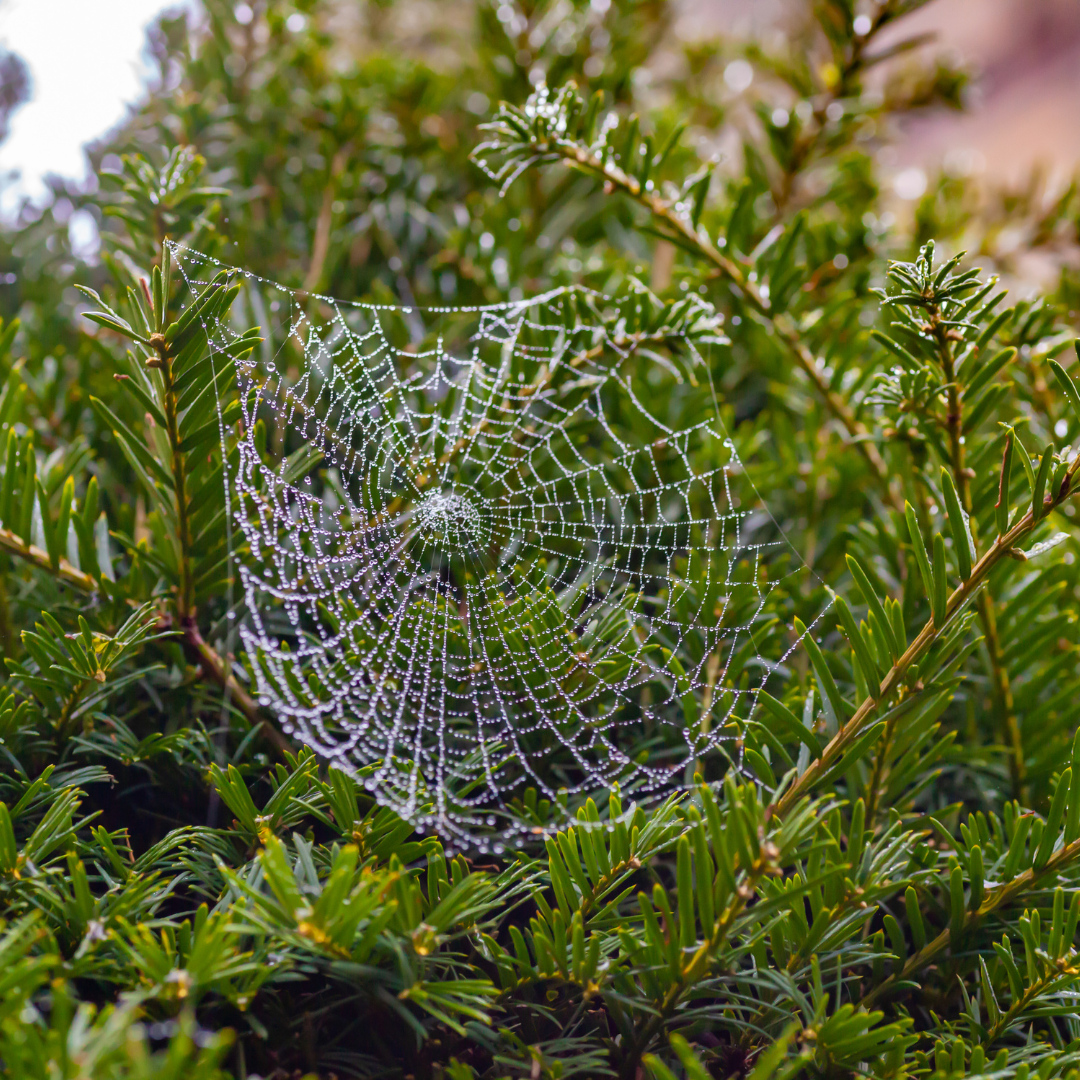
In Ukraine, spiderweb decorations trace back to a folktale where a poor family’s web-covered tree transformed into silver. The tradition celebrates hope, patience, and the possibility of abundance emerging from hardship.
At the table, this can inspire a festival centered on transformation. Players might decorate a communal space with symbolic offerings tied to personal setbacks. Later in the session, those same moments come back as small but meaningful boons.
Think narrative callbacks, surprise advantages, or NPCs showing up to help because of something the party did months ago. This works well as a payoff mechanic, where earlier roleplay choices unlock later advantages, visions, or resources.
Krampus and the Season of Reckoning
Krampusnacht traditions in Austria and Germany introduce a darker counterbalance to benevolent winter figures. The function here is moral tension, social regulation, and ritualized fear.
In play, this works well as a festival where masked figures confront characters with their reputations. NPCs might demand explanations, forgiveness, or proof that the party has changed from past misdeeds.
This creates excellent roleplay scenes and lets players shape how the world sees them. This does not need to be punitive. Instead, it can offer players a chance to make amends, bargain, or redefine their reputations through roleplay scenes and social encounters. No combat required. Just vibes, masks, and unresolved feelings.
KFC Christmas and the Festival of Adopted Meaning
In Japan, eating KFC for Christmas became popular after a successful 1970s marketing campaign framed fried chicken as a festive stand-in for a traditional holiday meal. Over time, the campaign stuck, and ordering KFC in advance became a widely shared seasonal ritual rather than a religious observance.
Today, it functions as a playful, communal tradition built almost entirely through collective participation and habit rather than historical custom. It shows how meaning can emerge from unexpected places through shared practice.
In a fantasy or sci-fi setting, this can inspire a festival built around something mundane or absurd that has gained wild ritual importance. Maybe a city celebrates a historical event by eating a specific street food or lining up for a shared ritual that no one remembers the origin of anymore. Your players might spend a whole session tracking down the mystery of a legend that resulted in a bad game of telephone, and have to decide whether to break the news to an NPC.
Regardless, you can highlight that meaning is what we make of it! It feels cozy, silly, and deeply relatable.
Night of the Radishes and Living Art Festivals
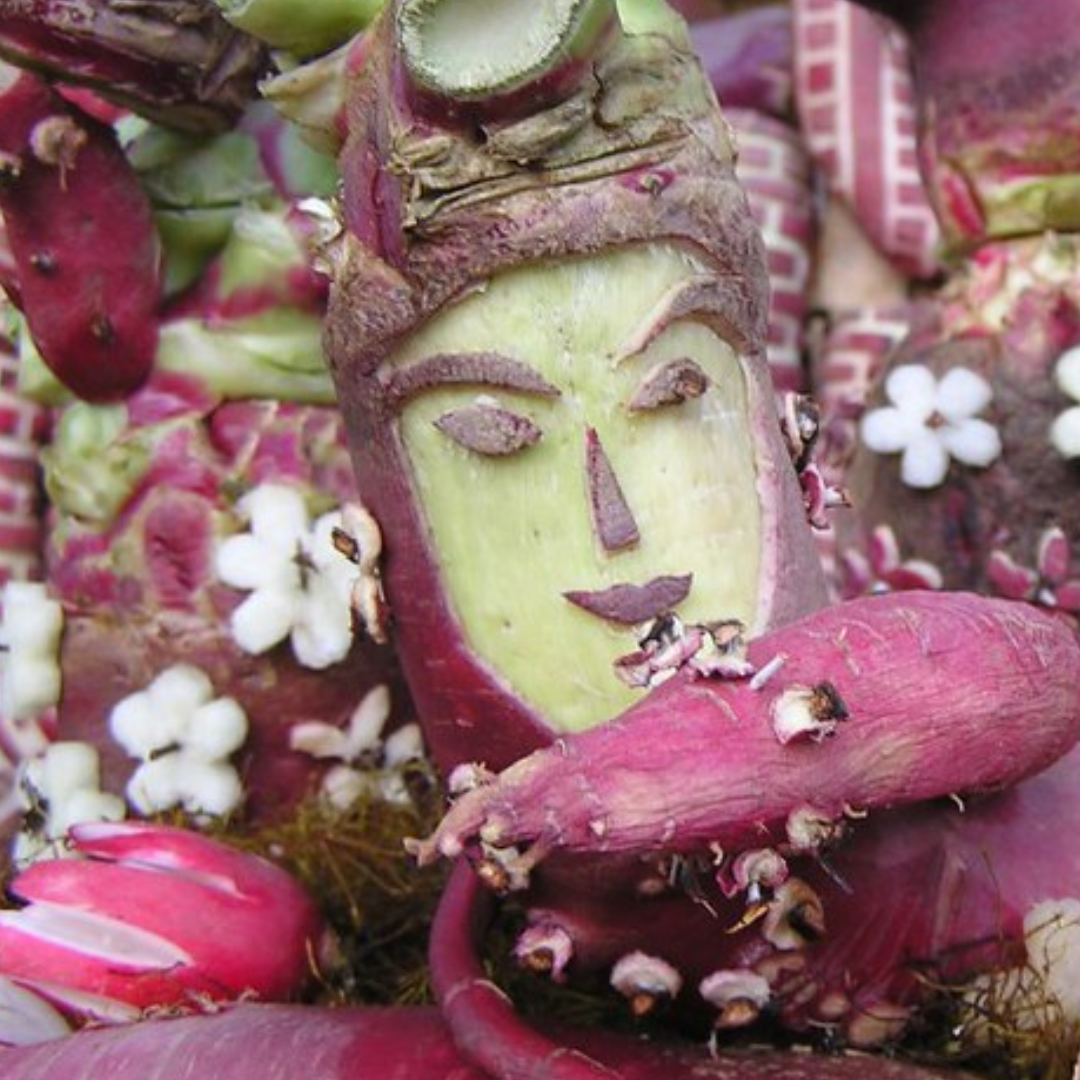
The Night of the Radishes is an annual festival held on December 23 in Oaxaca, Mexico, where artisans carve oversized radishes into elaborate scenes that are judged in a public competition. The tradition began in the late 19th century as a way to promote local produce. It blends competition, creativity, and community storytelling.
In play, this translates beautifully into an art-based festival. Characters might sculpt ice, wood, local produce, illusions, or living plants, with judges rewarding ingenuity rather than combat prowess. This gives non-combat characters time to shine and creates natural moments for NPC interaction, intrigue, and humor.
Horse Skulls and Rap Battles
The Welsh Mari Lwyd tradition involves a decorated horse skull carried from house to house, where participants engage in competitive singing or rhyming battles. It is theatrical and deliberately unsettling, blending humor with a little bit of menace. Should the skeletal horse and her retinue best the owner of the home in rhyme, they were free to come in and eat and drink their fill.
At the table, this inspires festivals built around call-and-response contests, verbal sparring, or performative social encounters. Players might face off against masked figures, spirits, or rival groups in musical, poetic, or improvisational challenges where wit and creativity matter more than mechanics.
Designing with Care
When borrowing inspiration, focus on what the tradition does, not how it looks. Read more than one source, don’t try to recreate anything sacred, and tell your players where the idea came from. Invite curiosity and most importantly, let festivals invite joy, weirdness, and connection.
Make sure that your use of these traditions is a celebration, and not a ridicule.
Ultimately, festivals work best in Tabletop RPGs when they give players permission to play differently for a moment. Obscure holiday traditions remind us that celebration can be strange, joyful, unsettling, and deeply human. That makes them perfect tools for worldbuilding and storytelling at the table.
Written by: Susan Haarman | CTGA Secretary
What Holiday Will You Create?
Thanks for joining us in the worlds Beyond the Table! Holiday traditions are a great way to show what the people in your settings care about, and if you’re looking for more ways to expand on your homebrew or enhance your GMing skills — stick around! You’ll be hearing from Susan and other professional game masters here on our blog.
And if you’re like to meet other GMs and players in the Chicago area, come on out to our Discord! There you’ll find the latest news on CTGA’s upcoming events and our community discussion forums.
Disclaimer: The information in this blog and on www.chicagotga.org is presented for educational and entertainment purposes. Any statistics, recommended products, or other information is researched in good faith, but no warranty is made to the completeness nor accuracy of the source. All written and multimedia content published here is the intellectual property of Chicago Tabletop Gaming Association (CTGA) or contributing community members and is not for reproduction or sale by third parties. By accessing this site and all its materials, you agree to and acknowledge these terms.