
Spore Lore: CTGA Touches Grass
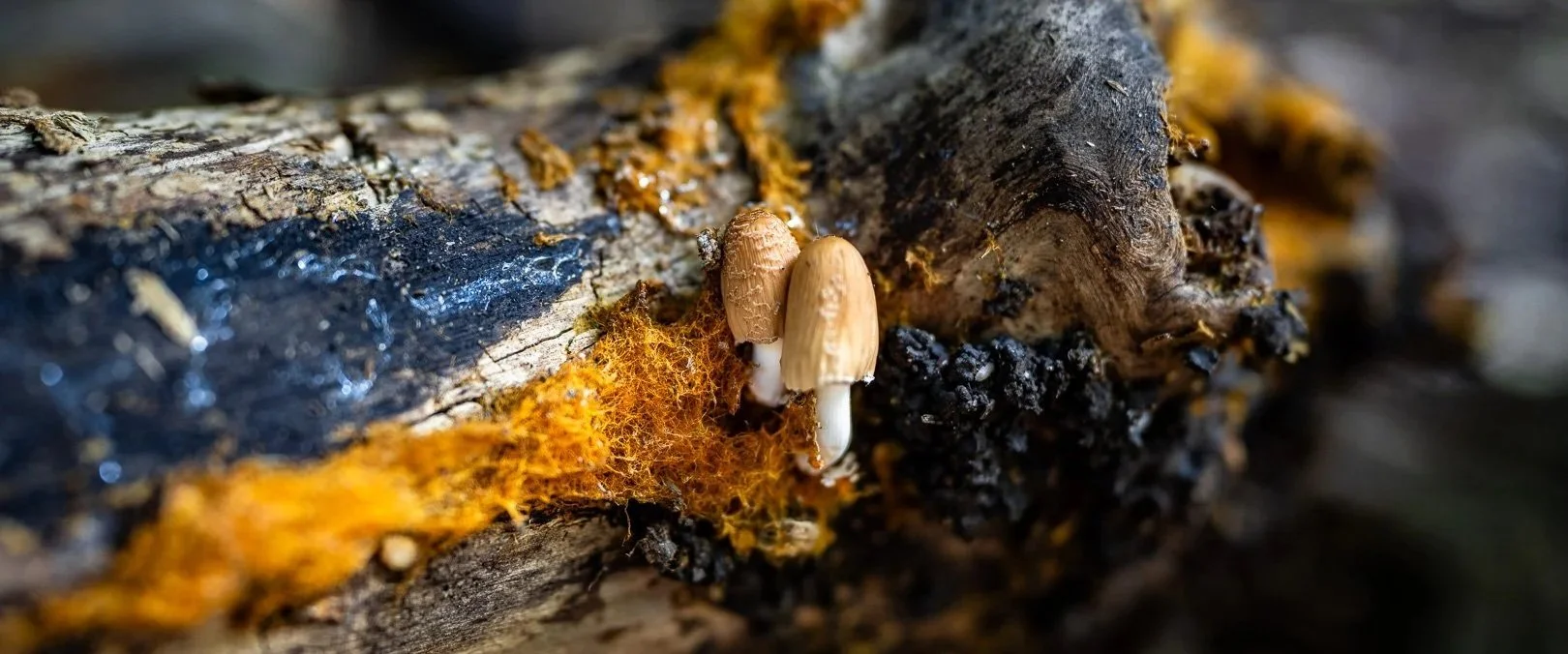
There is a useful theory about fun that outdoor people like to talk about: not all fun is fun at the same time.
Sometimes something is fun while you're doing it. Sometimes it becomes fun later, once you've had enough time to forget the mosquitoes, sore legs, or whatever convinced you this was a good idea. And then there is the third category: the kind of experience where you finish and think, Well. At least we learned something.
We were hoping for the first kind.
Fortunately, Spore Lore: CTGA’s First Ever Mushroom Walk delivered.
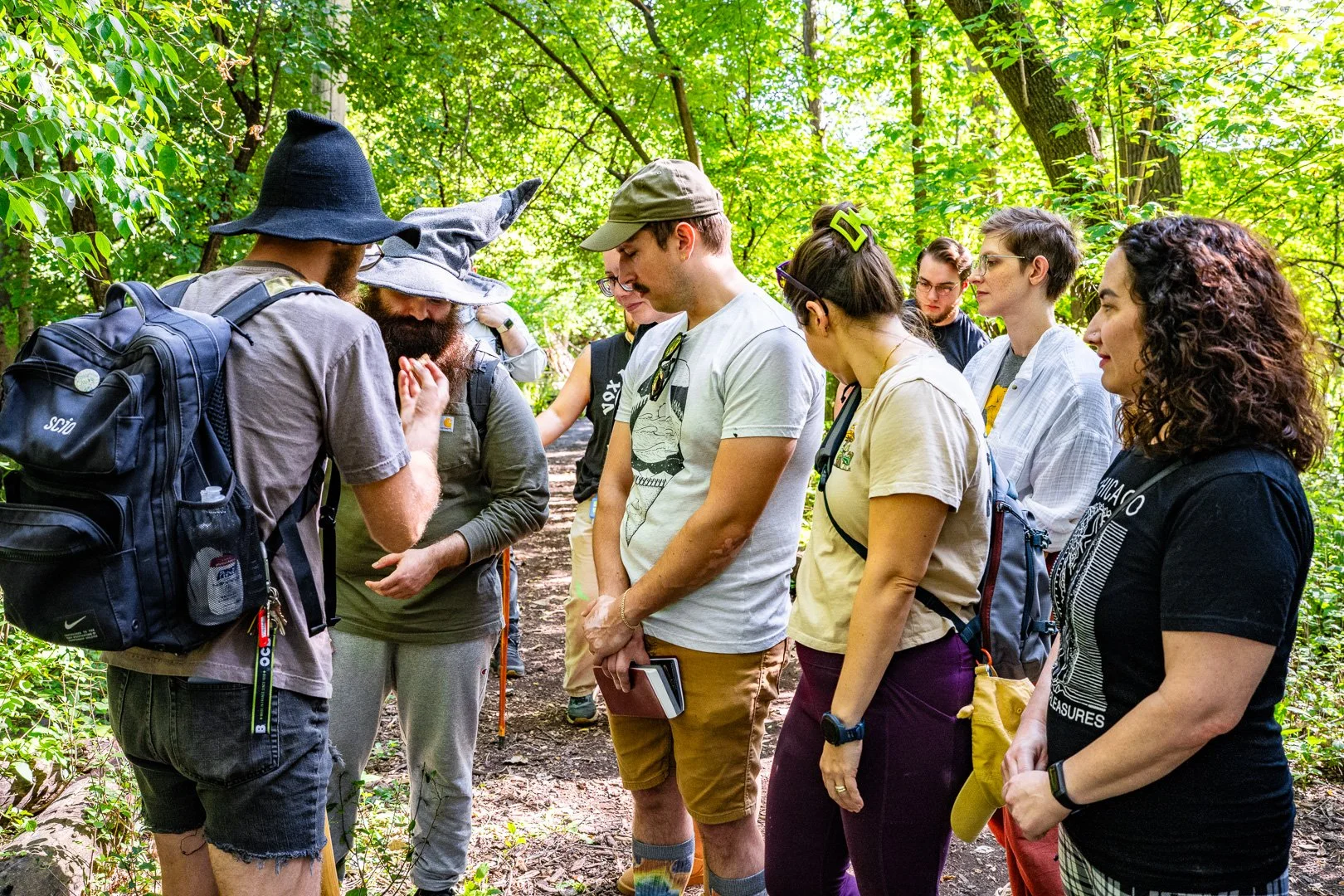
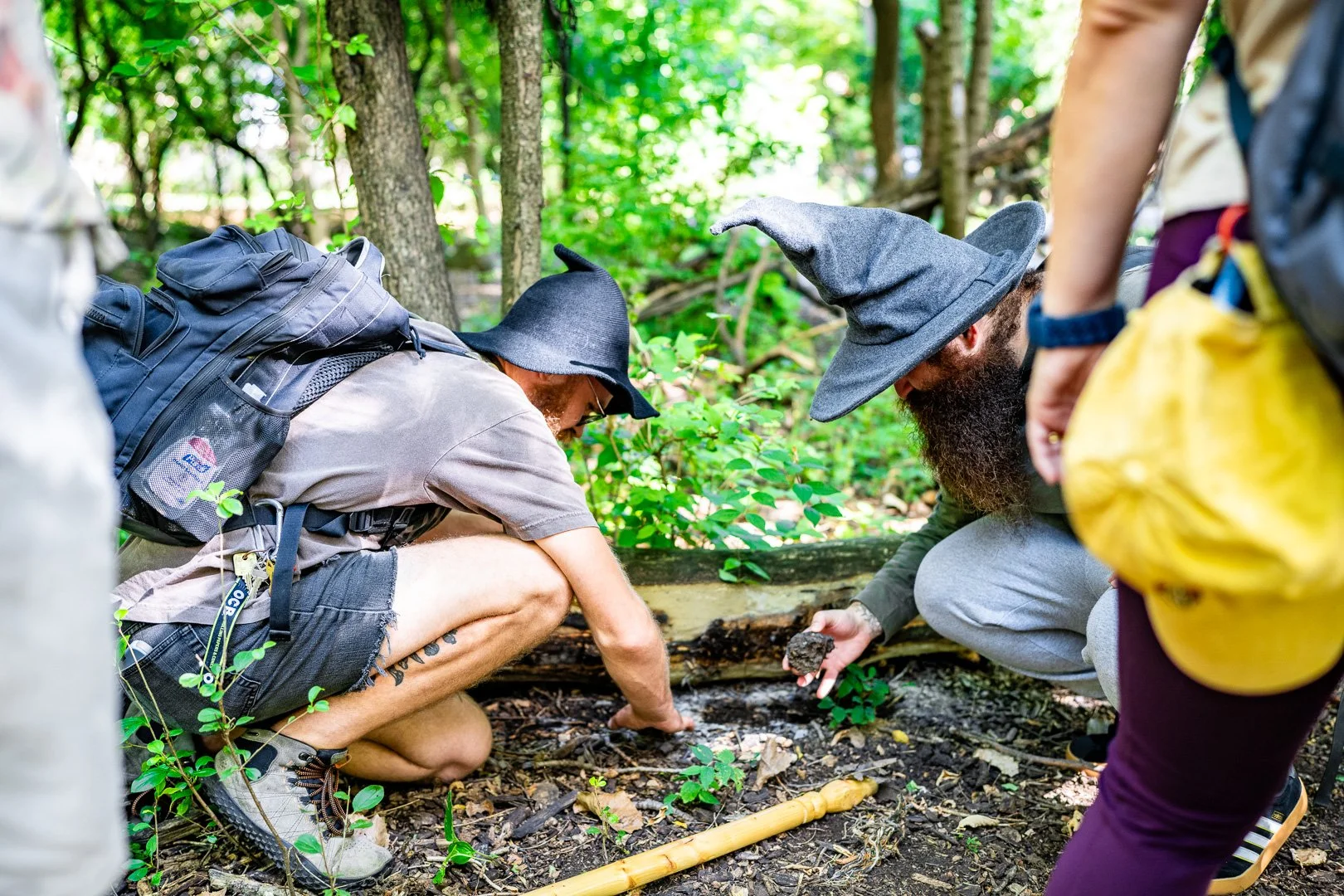
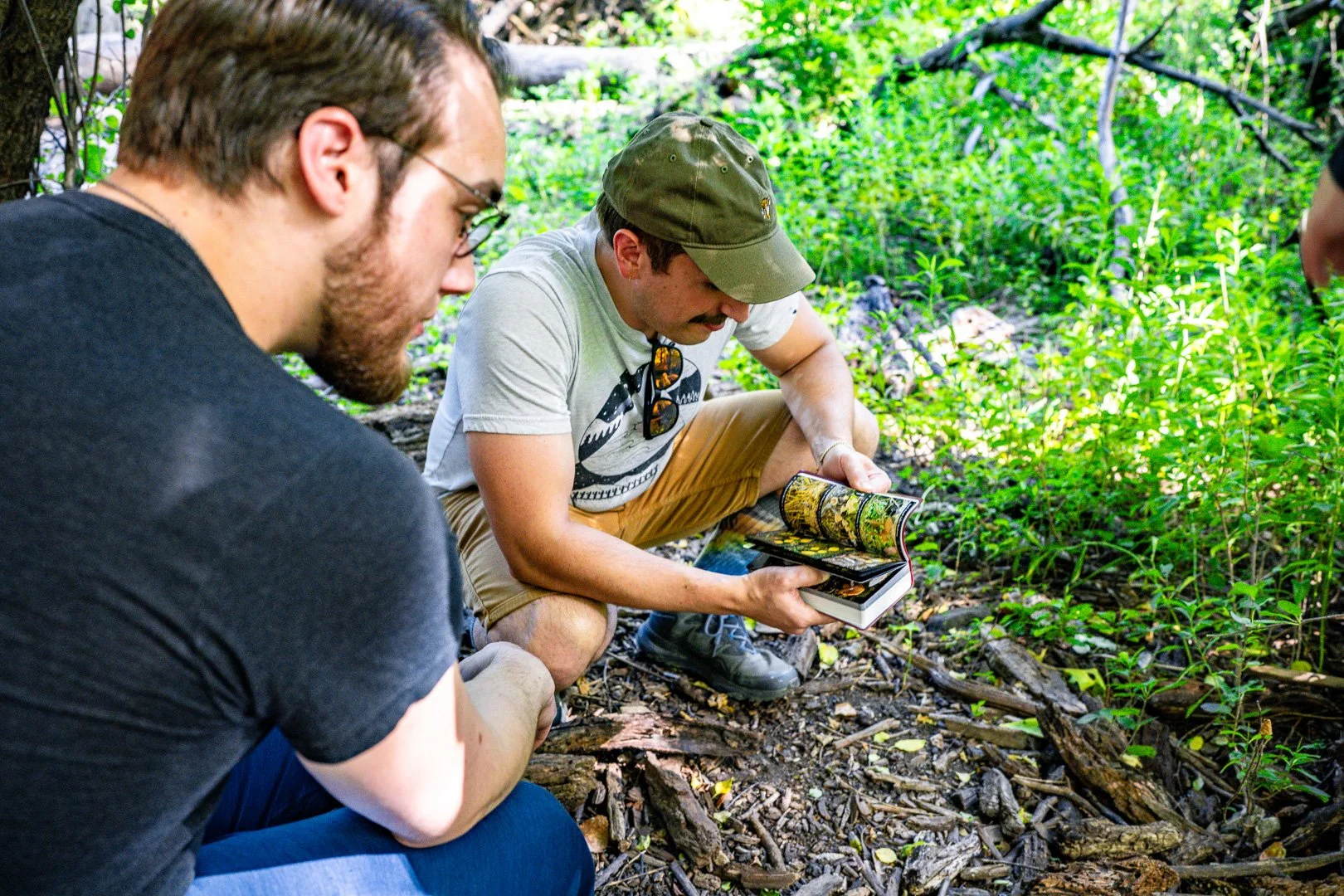
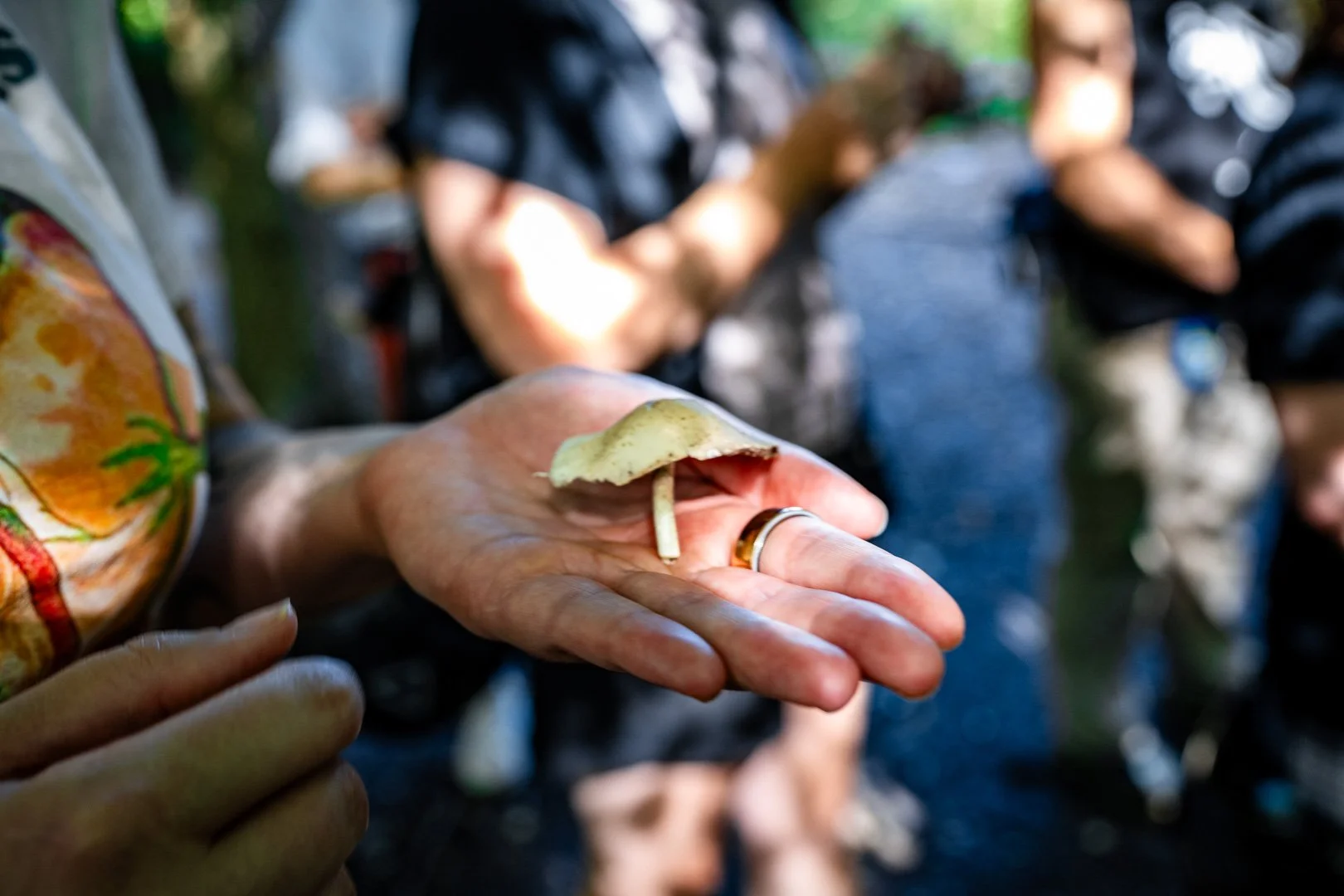
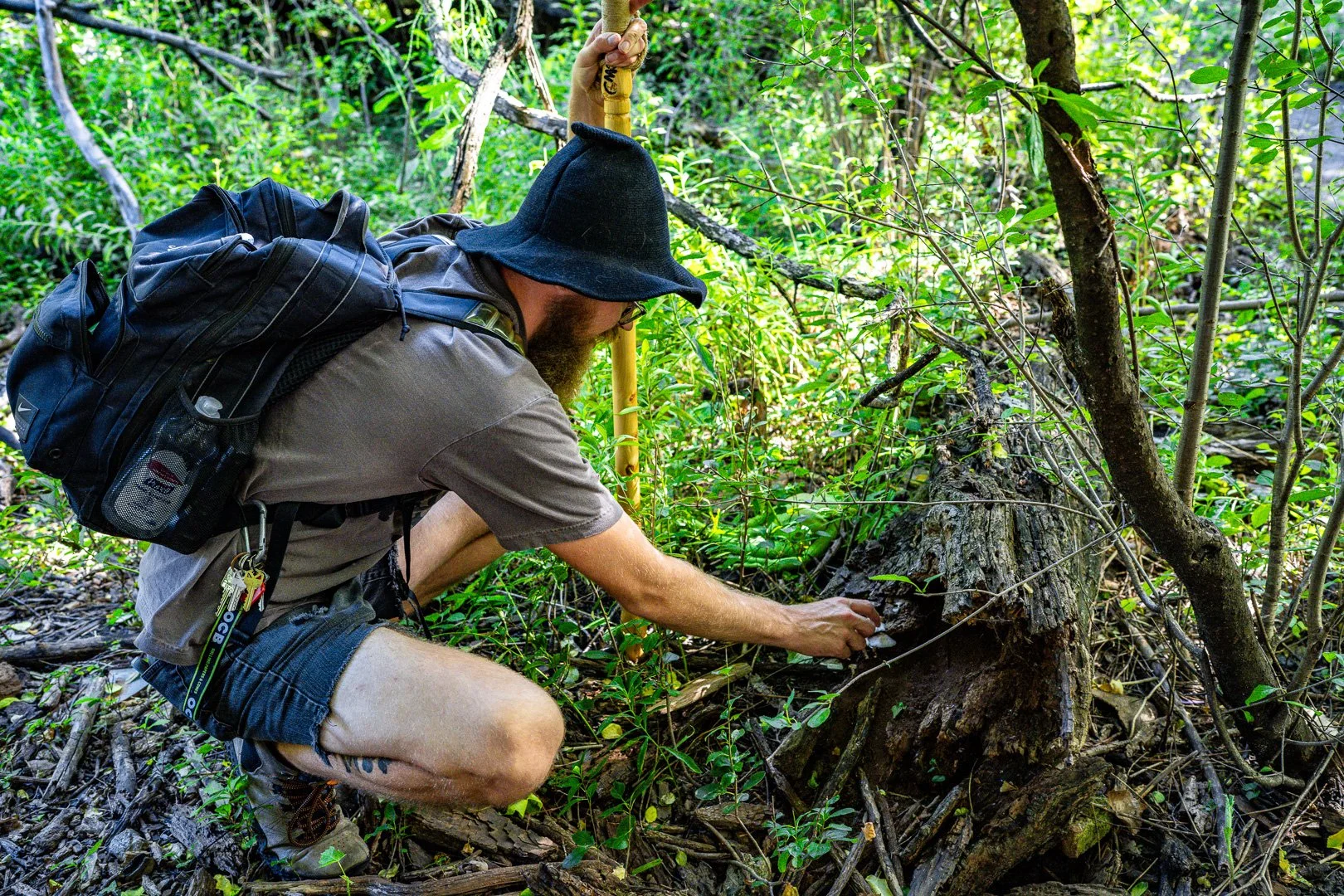
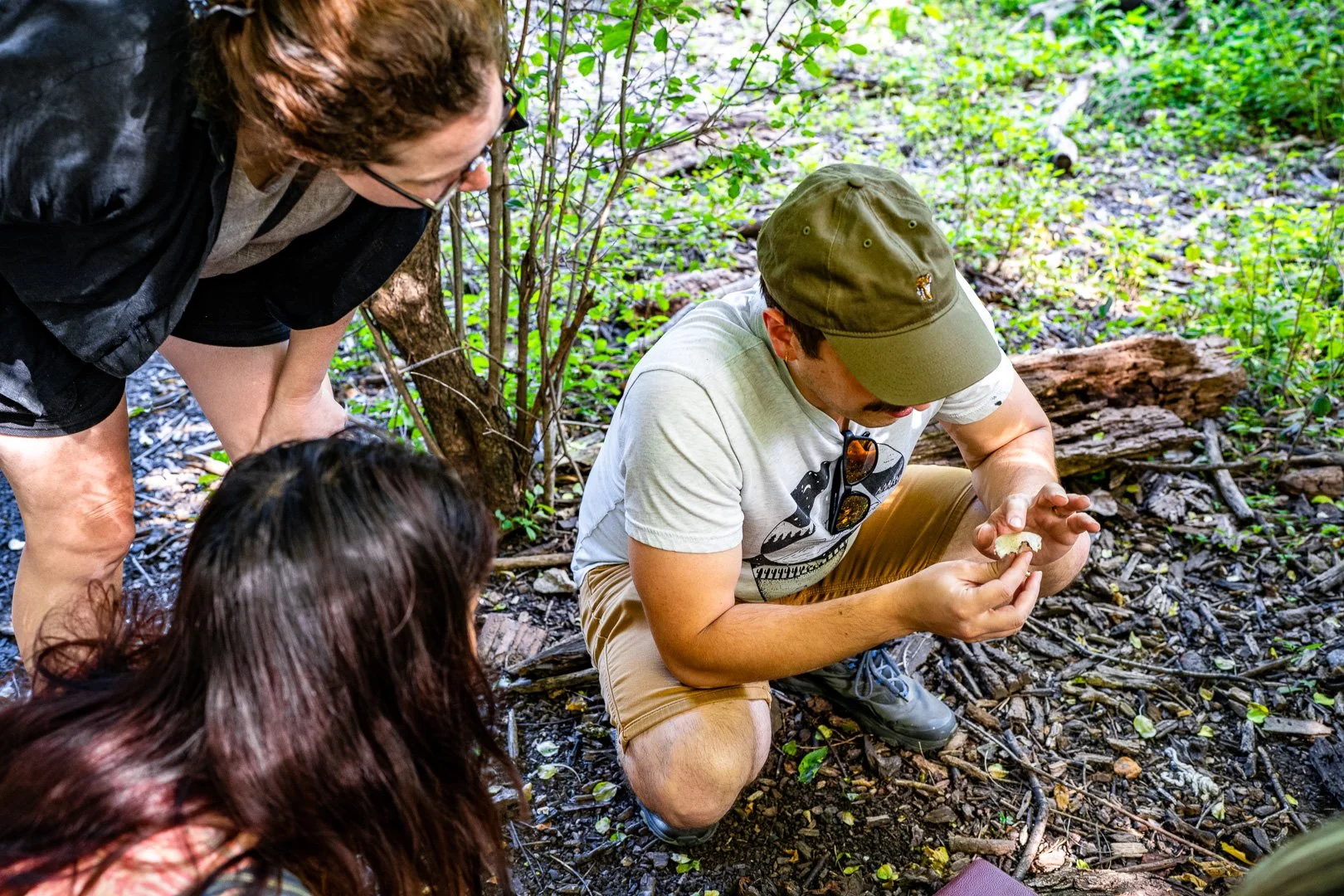
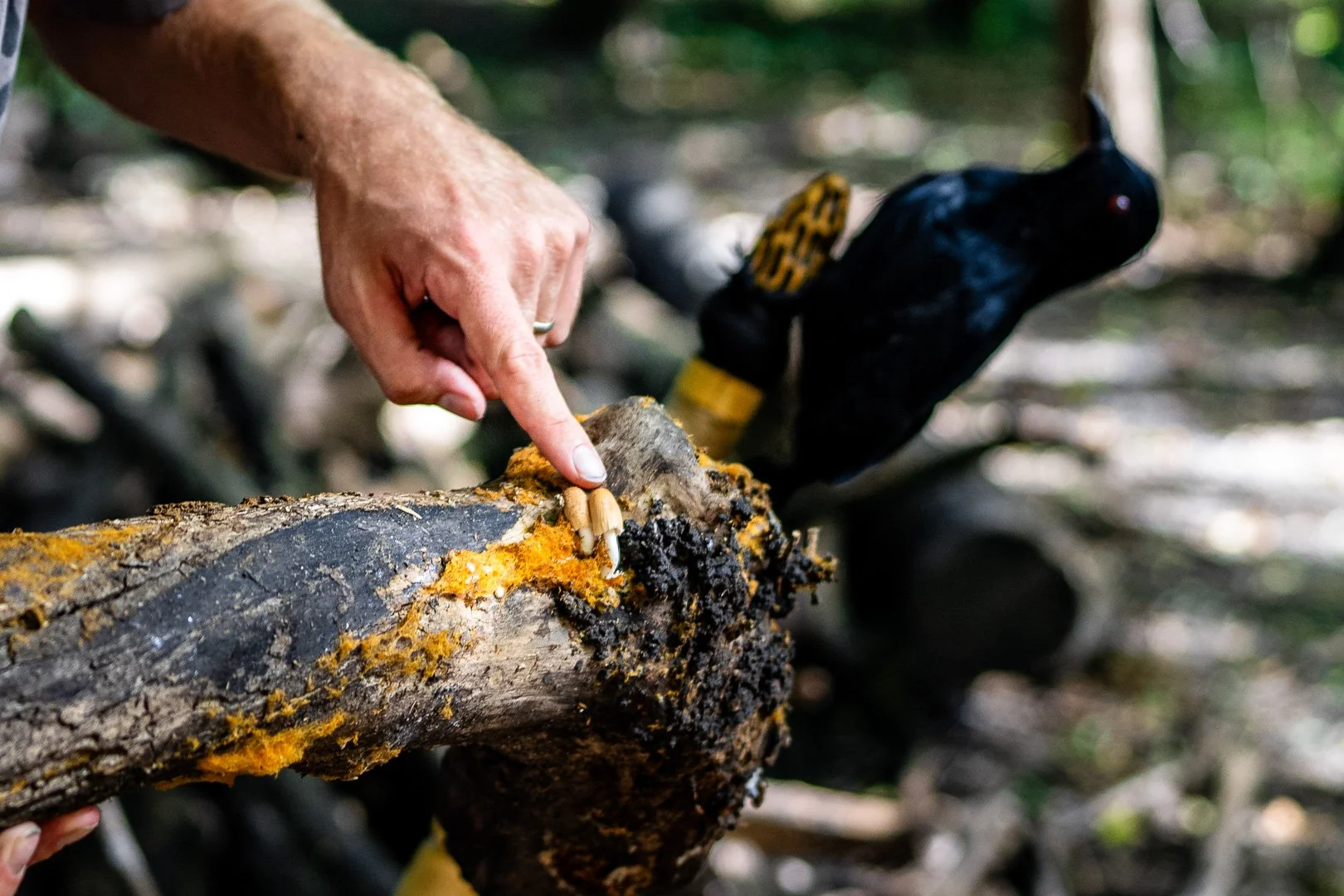
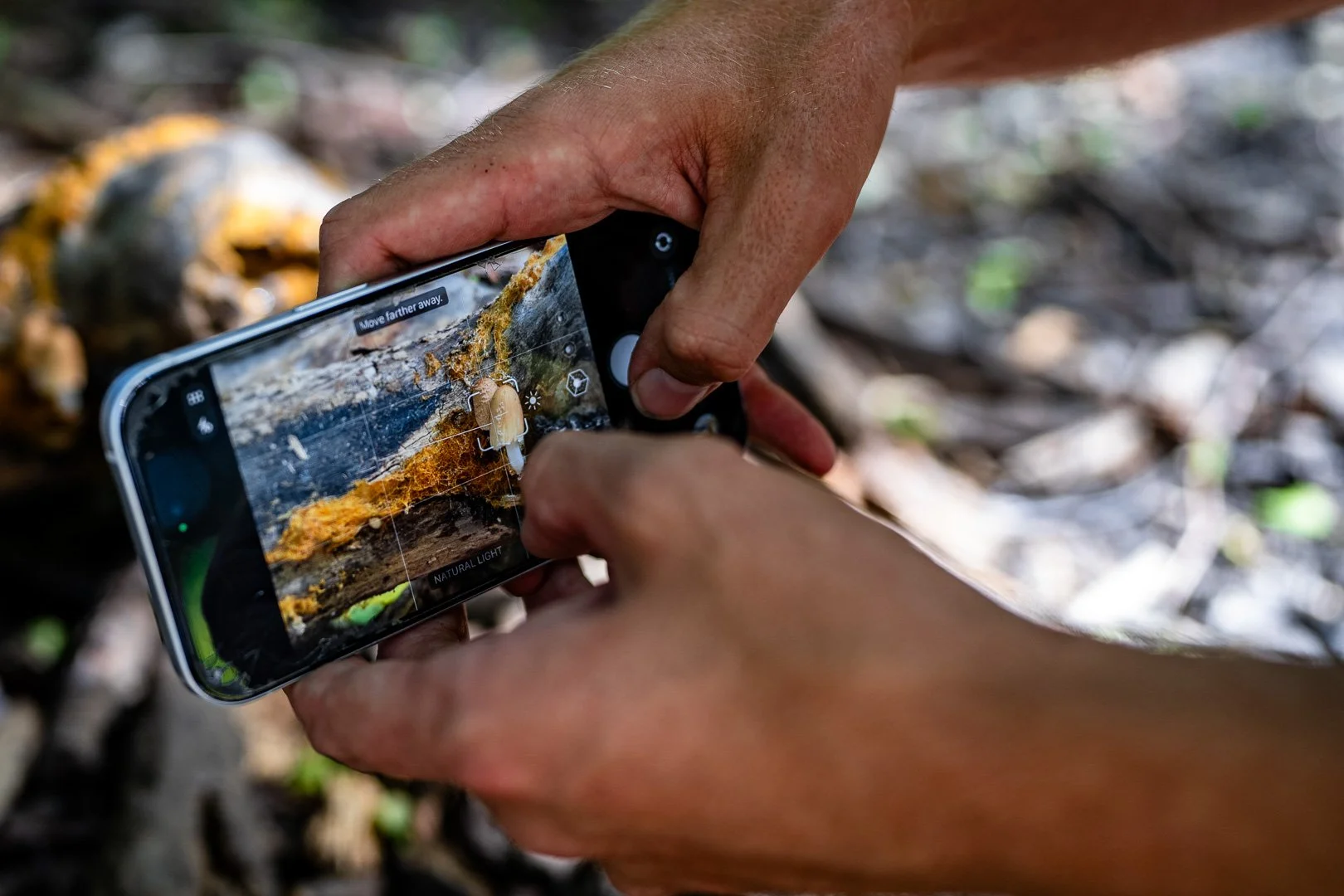
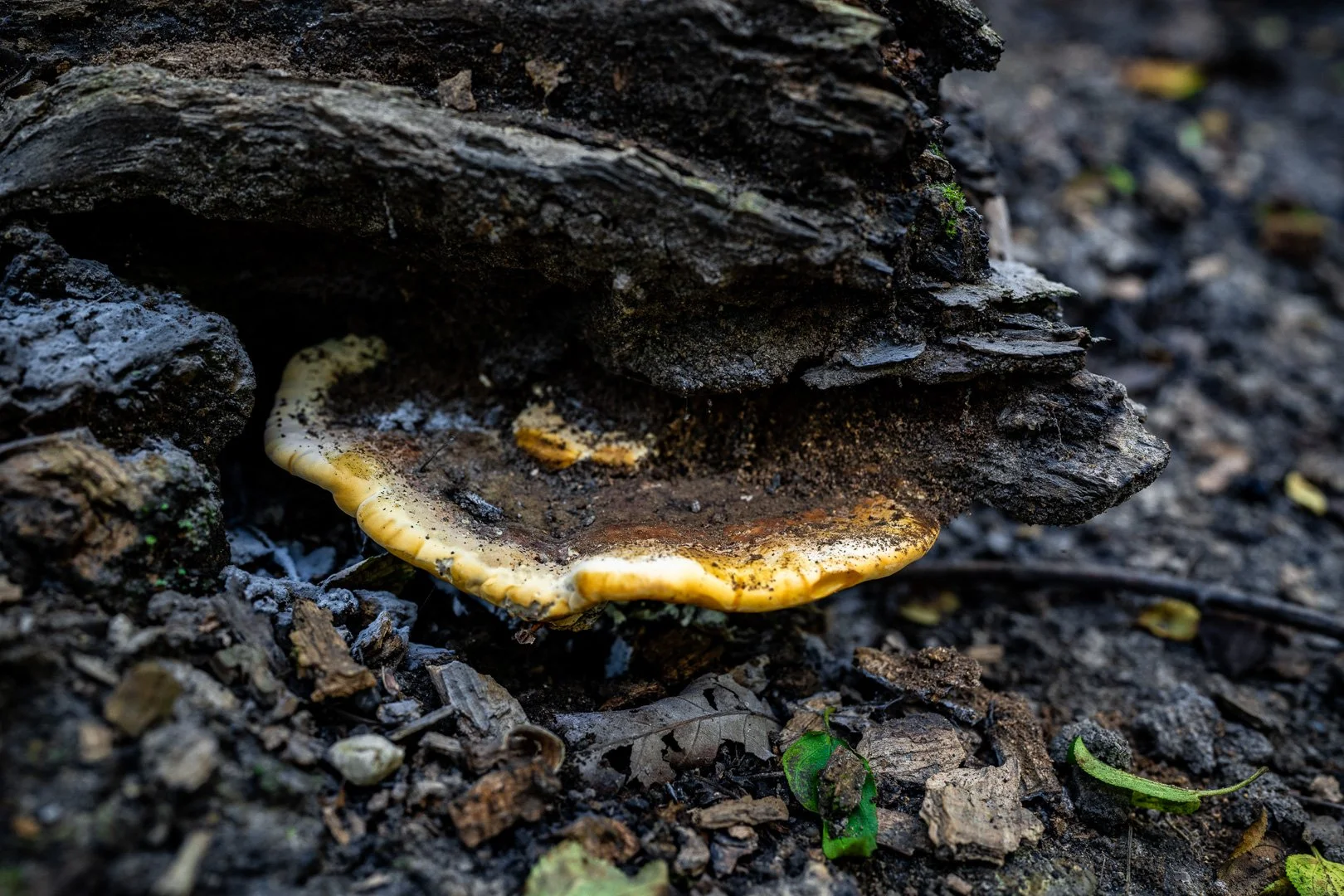
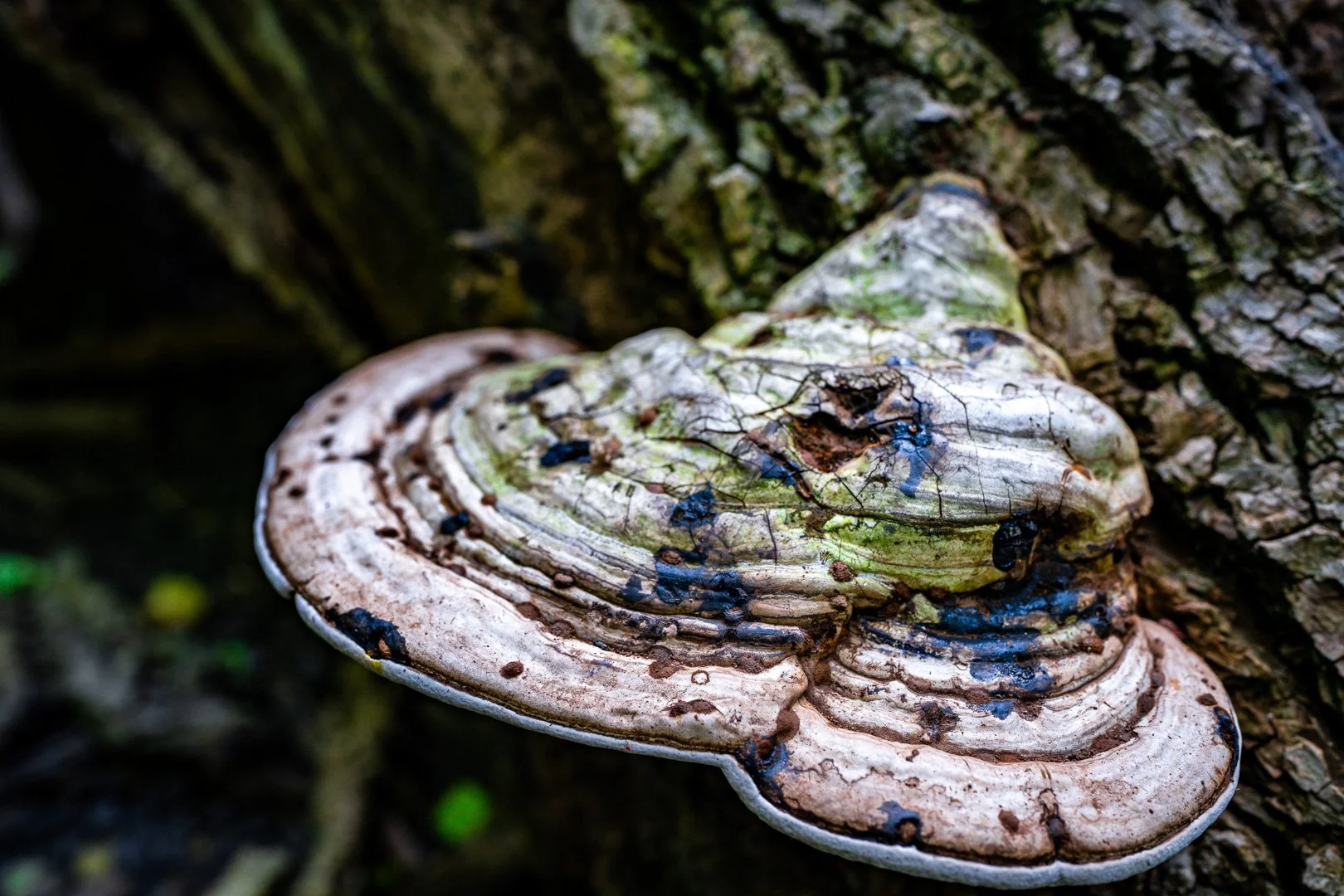
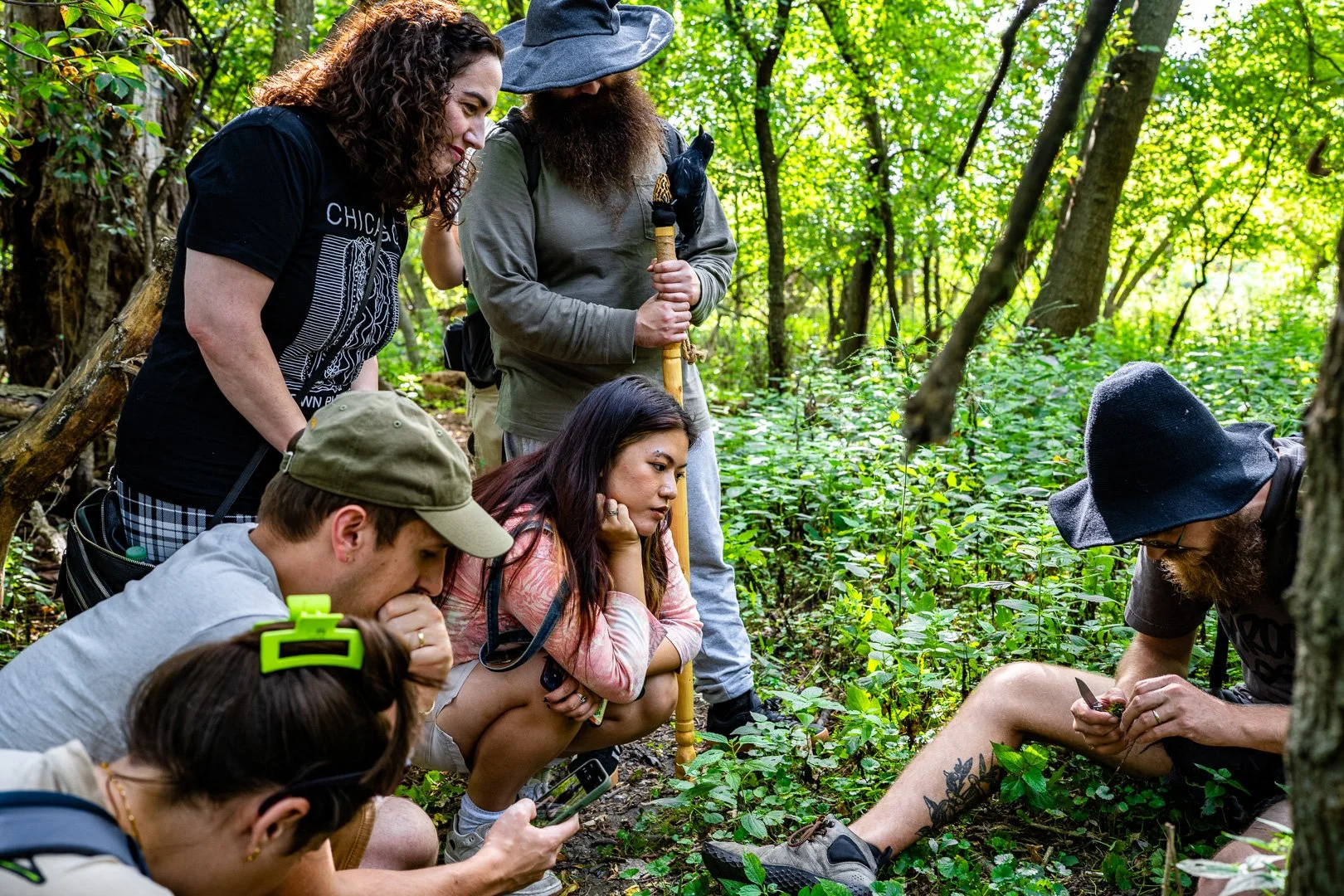
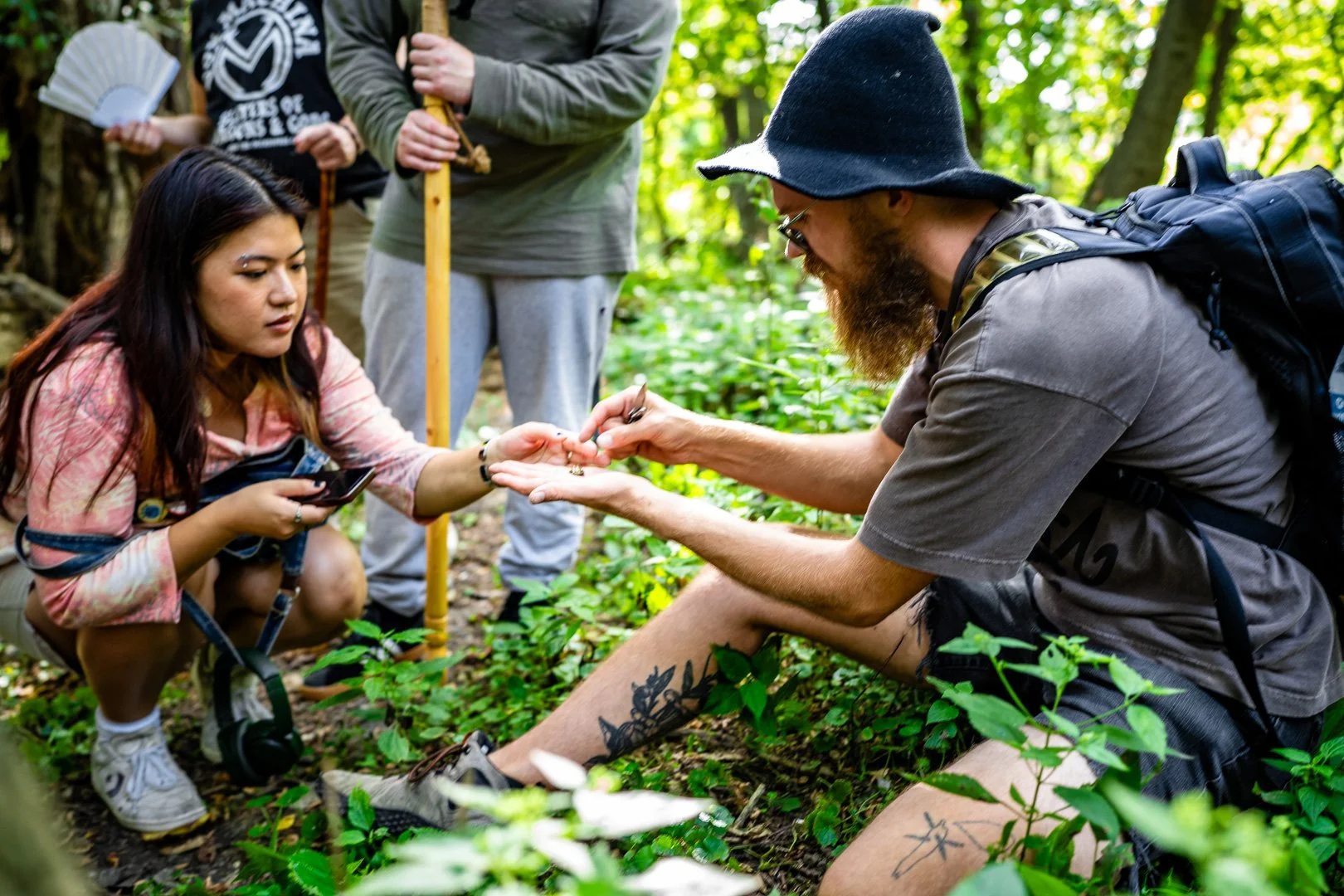
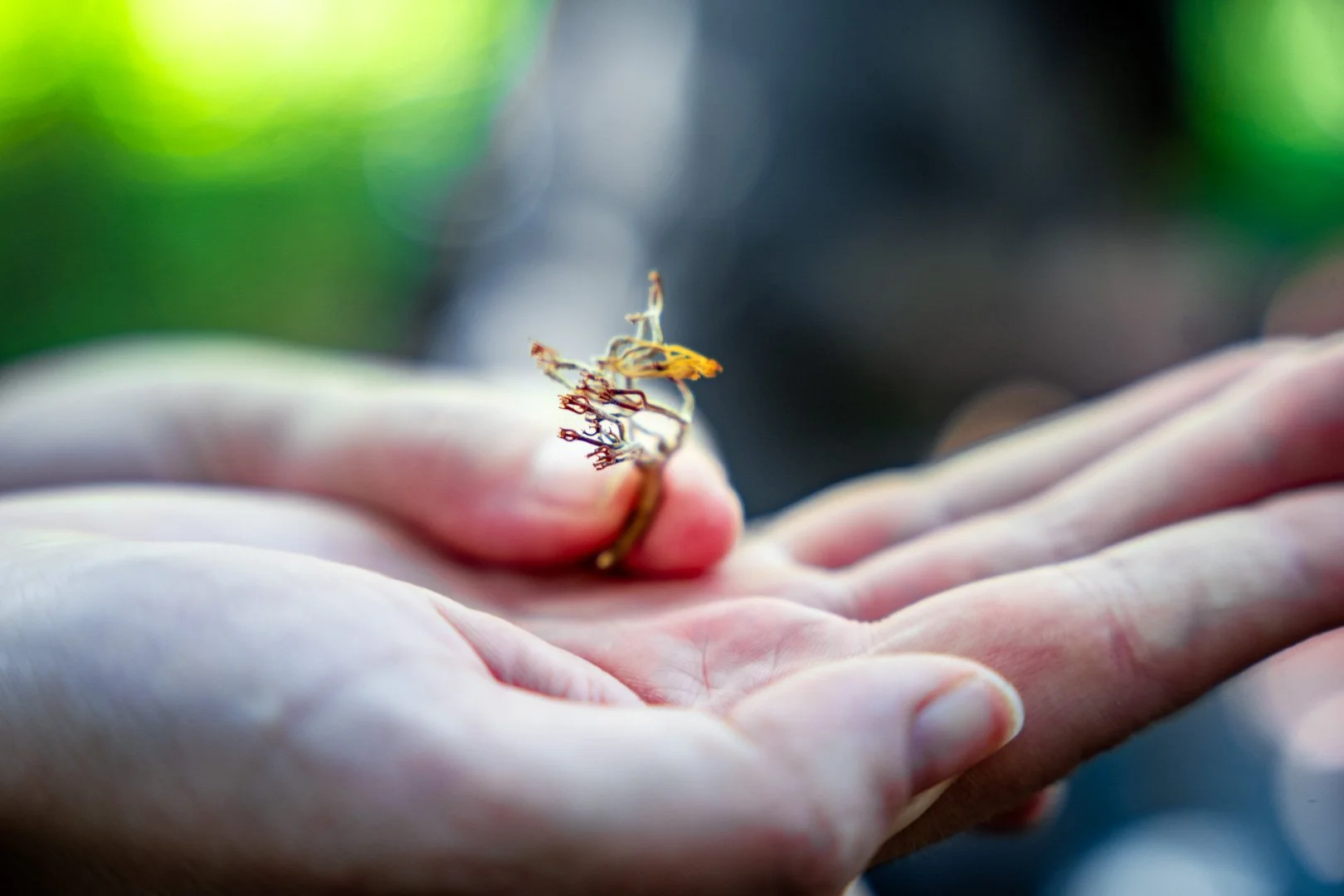
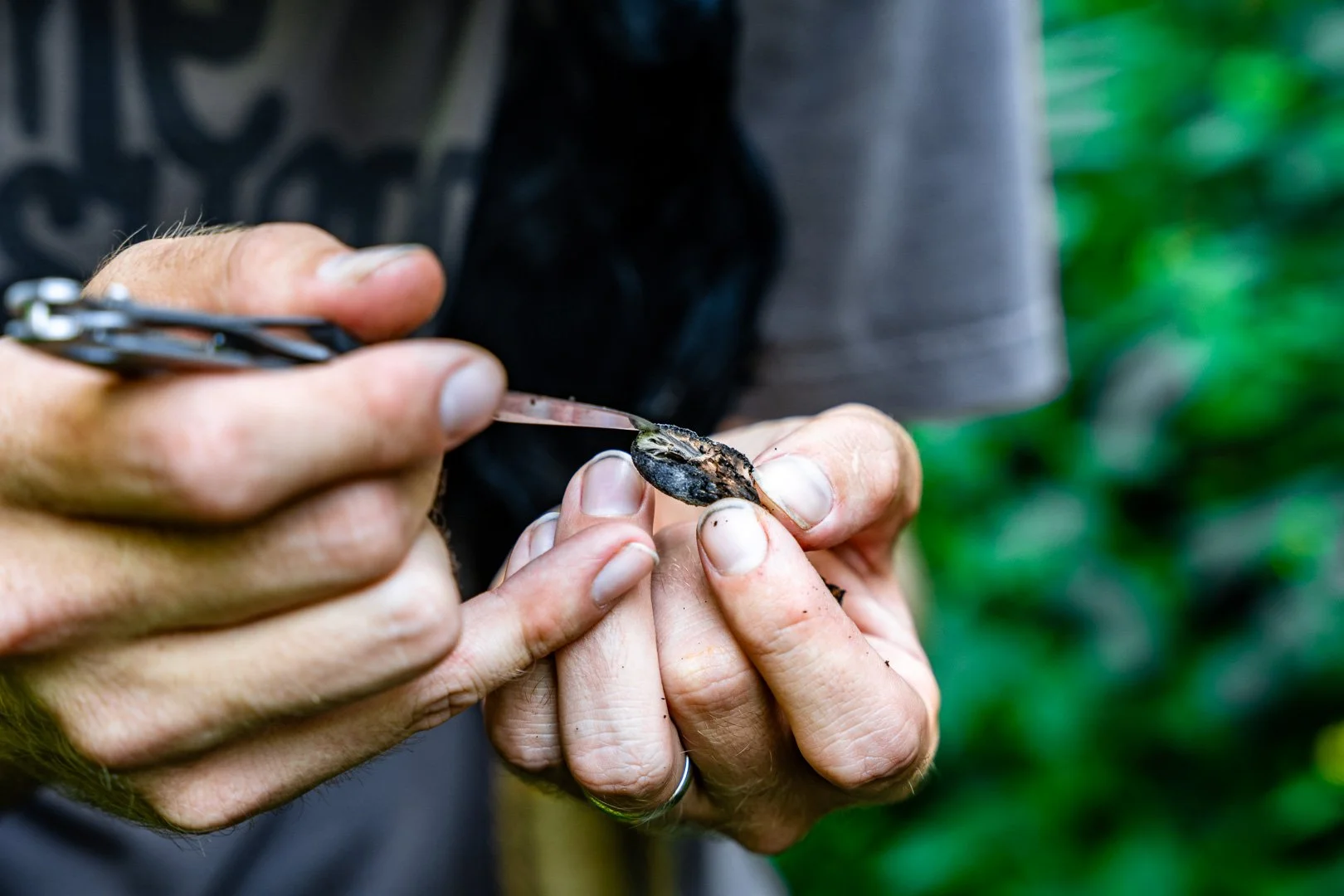
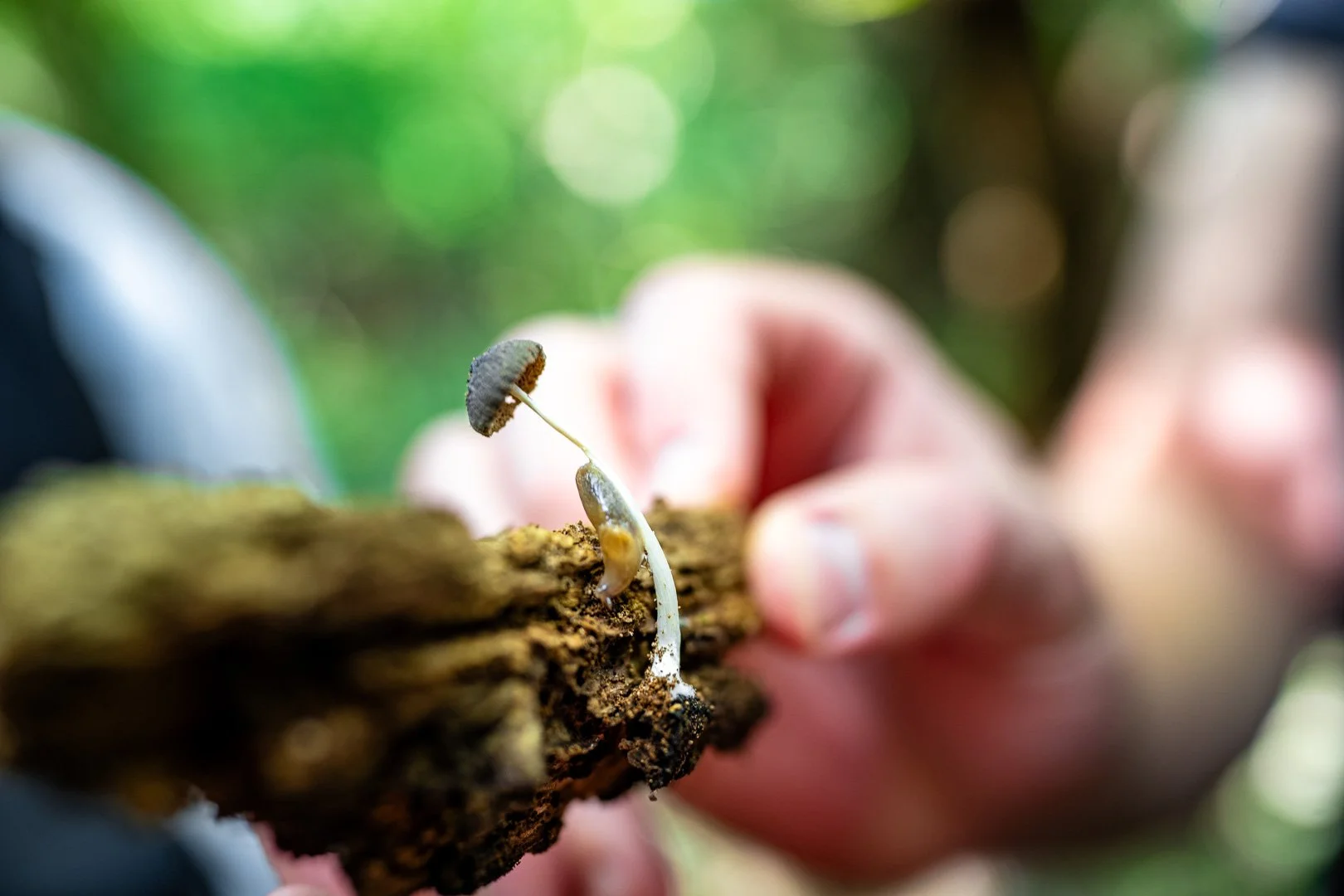
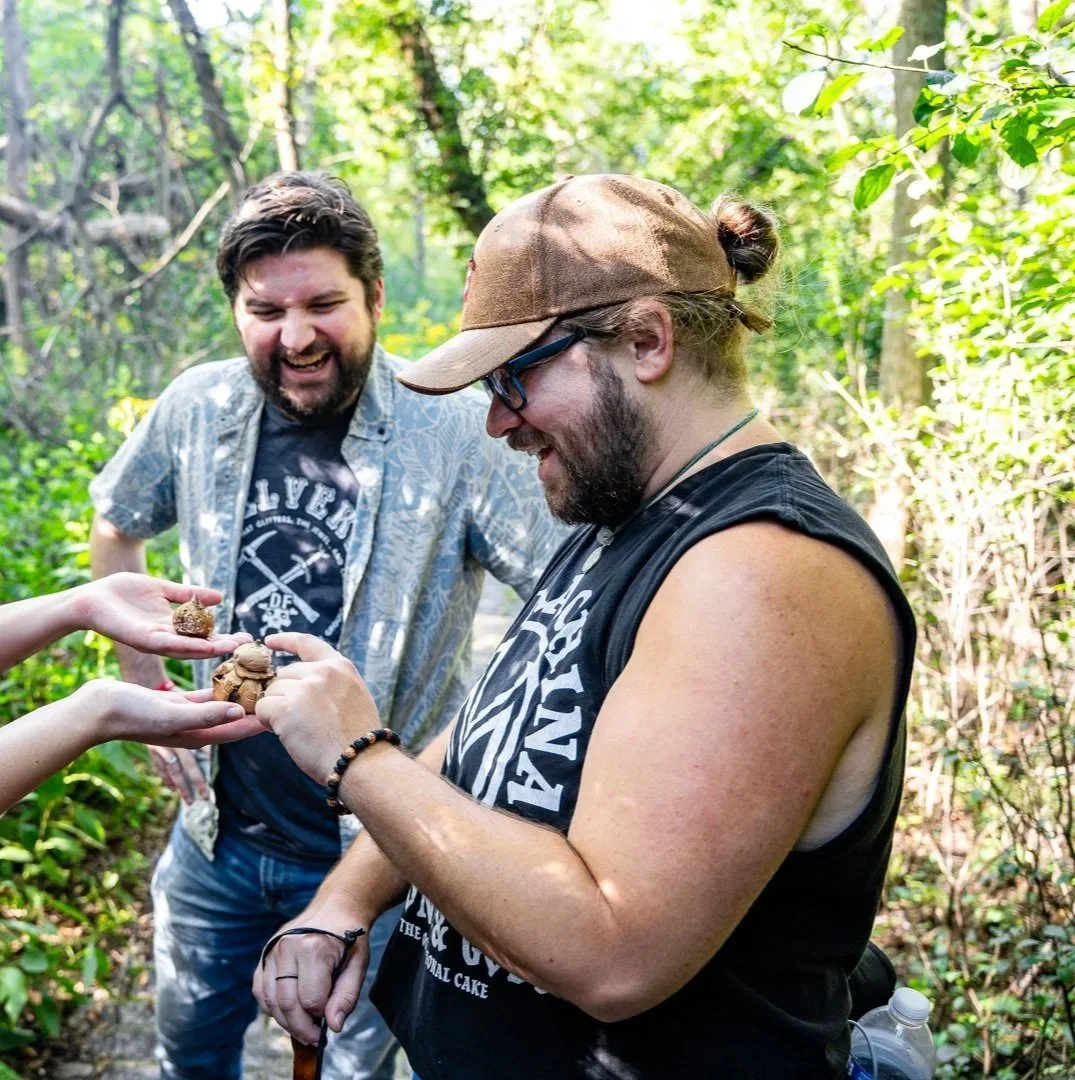
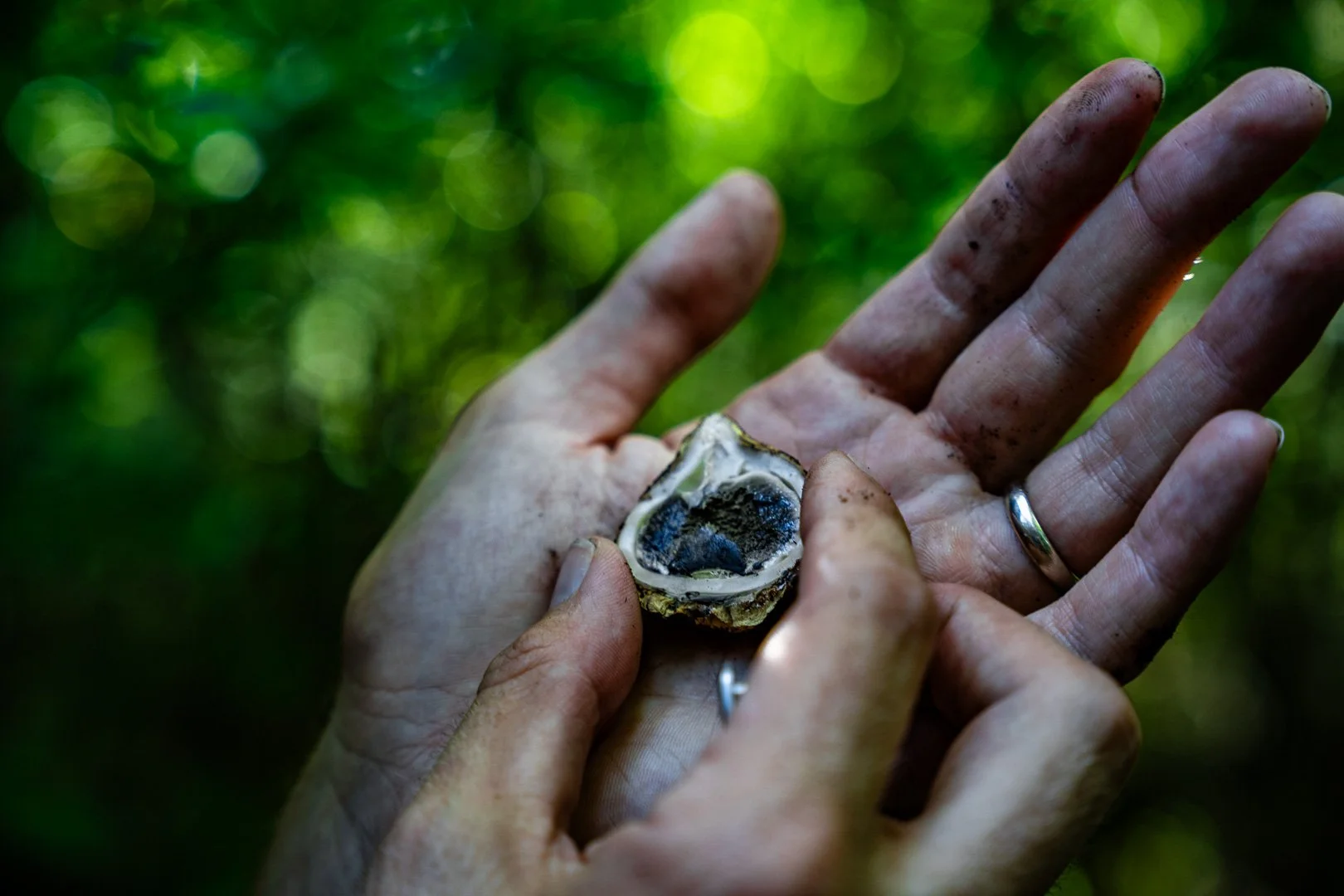
In September, about fifteen CTGA members met up with Dylan from the Chicago Mushroom Club and headed into the woods to learn about fungi. We walked, took photographs, asked questions, and spent a few hours paying attention to things that are usually very easy to walk right past.
That last part turned out to be particularly well suited to tabletop gamers. Mushroom hunting has exploration, treasure hunting, mysterious objects, and creatures with names that sound like they came straight out of a monster manual. Sooner or later, someone is going to say, “That would make a great encounter.” We had simply exchanged the game table for the forest floor.
Into the Woods
The Chicago Mushroom Club is a citizen-science collective dedicated to sharing knowledge about mycology, documenting local fungi, and making that knowledge freely available. Their work includes forays, workshops, cookouts, and virtual seminars.
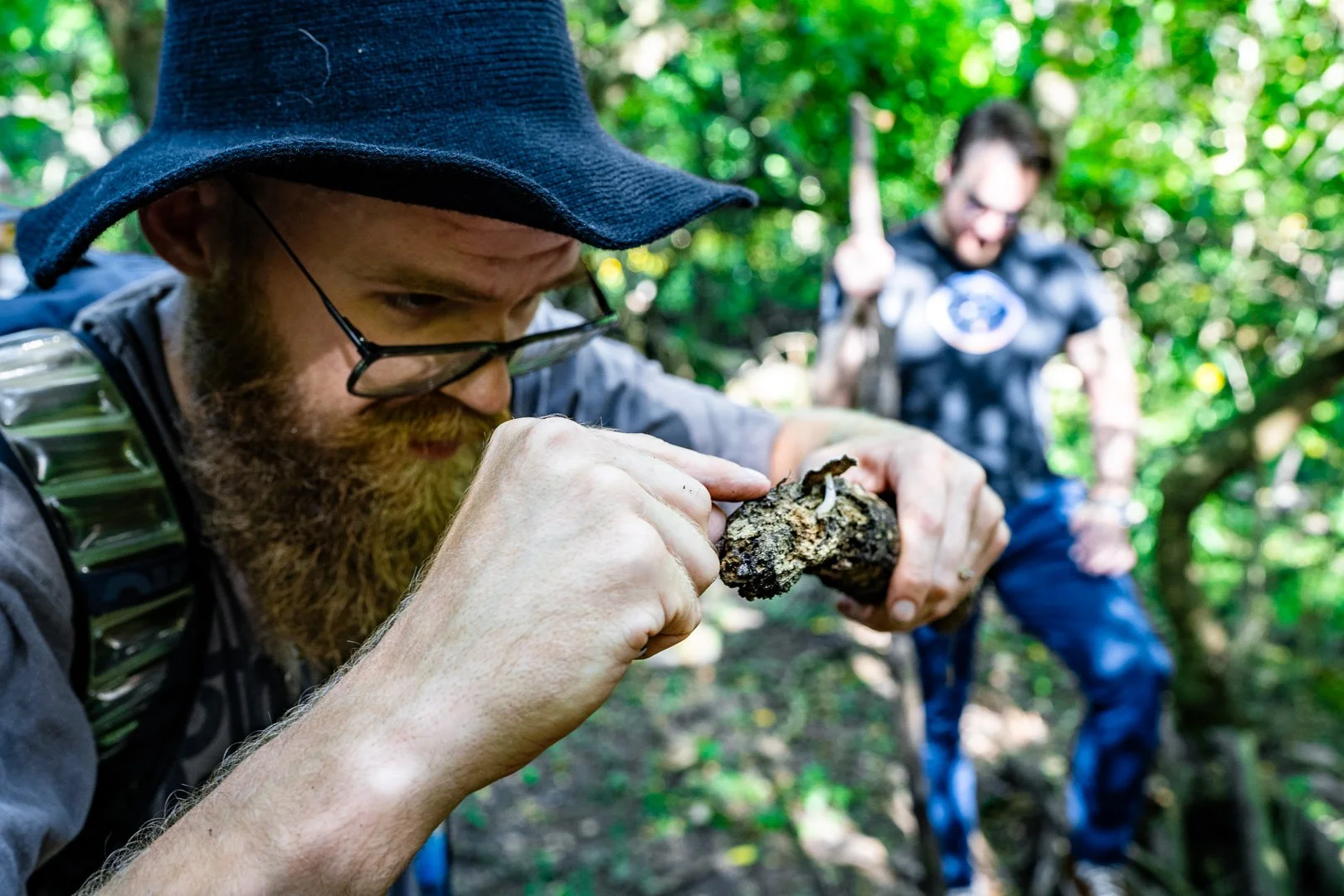
Dylan was an excellent guide, bringing the kind of encyclopedic knowledge that makes you realize how much is happening around you that you simply aren't noticing. He's also a volunteer curator on iNaturalist, where he has contributed more than 25,000 fungal identifications and helped extend species range maps, with a particular focus on Midwest fungi.
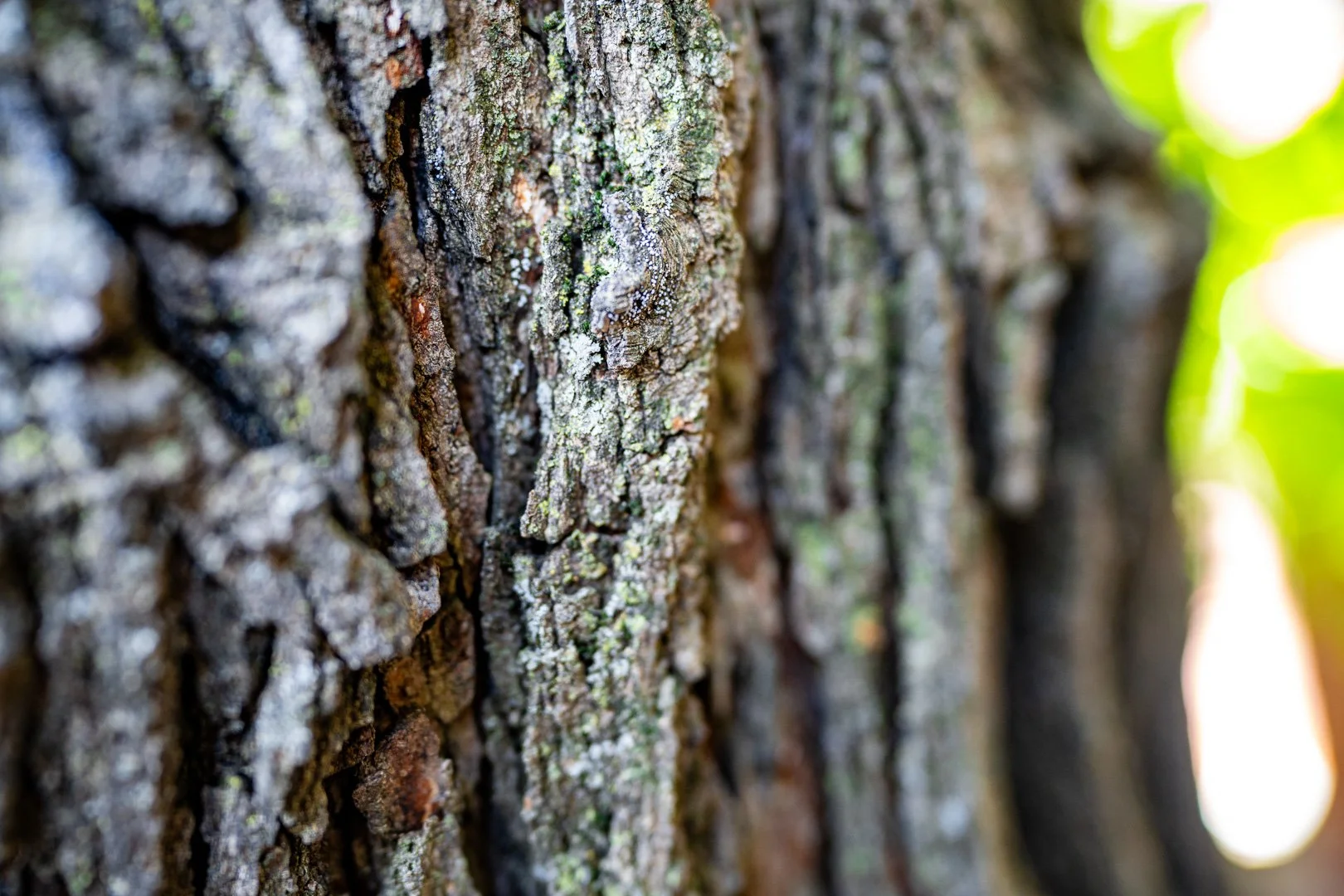
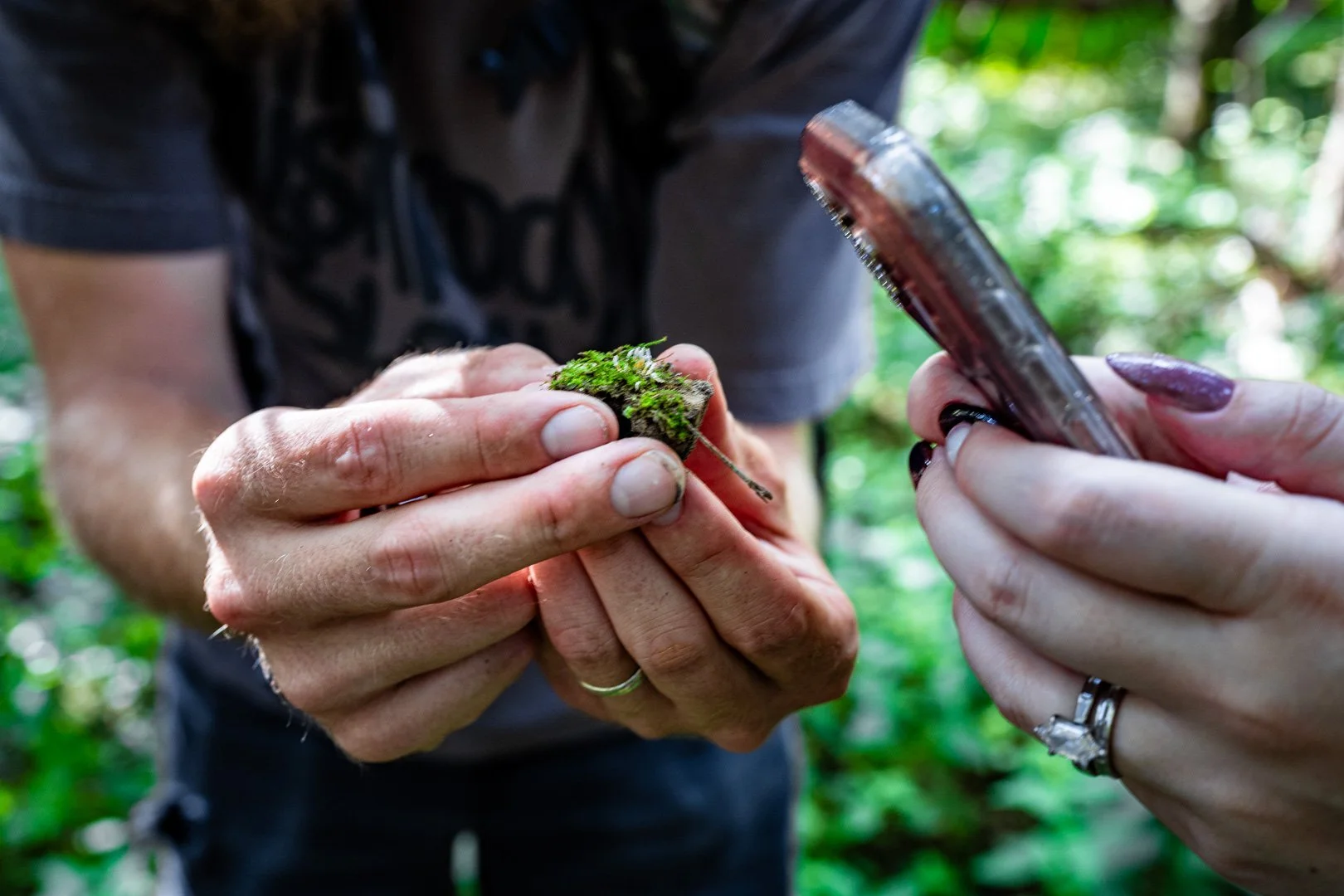
With Dylan pointing things out, the woods started to feel different. Things that might normally register as “moss,” “weird tree,” or “some kind of mushroom, probably” suddenly had names, relationships, and stories attached to them. And once a group of tabletop gamers starts paying attention to strange things in the woods, the game brain kicks in.
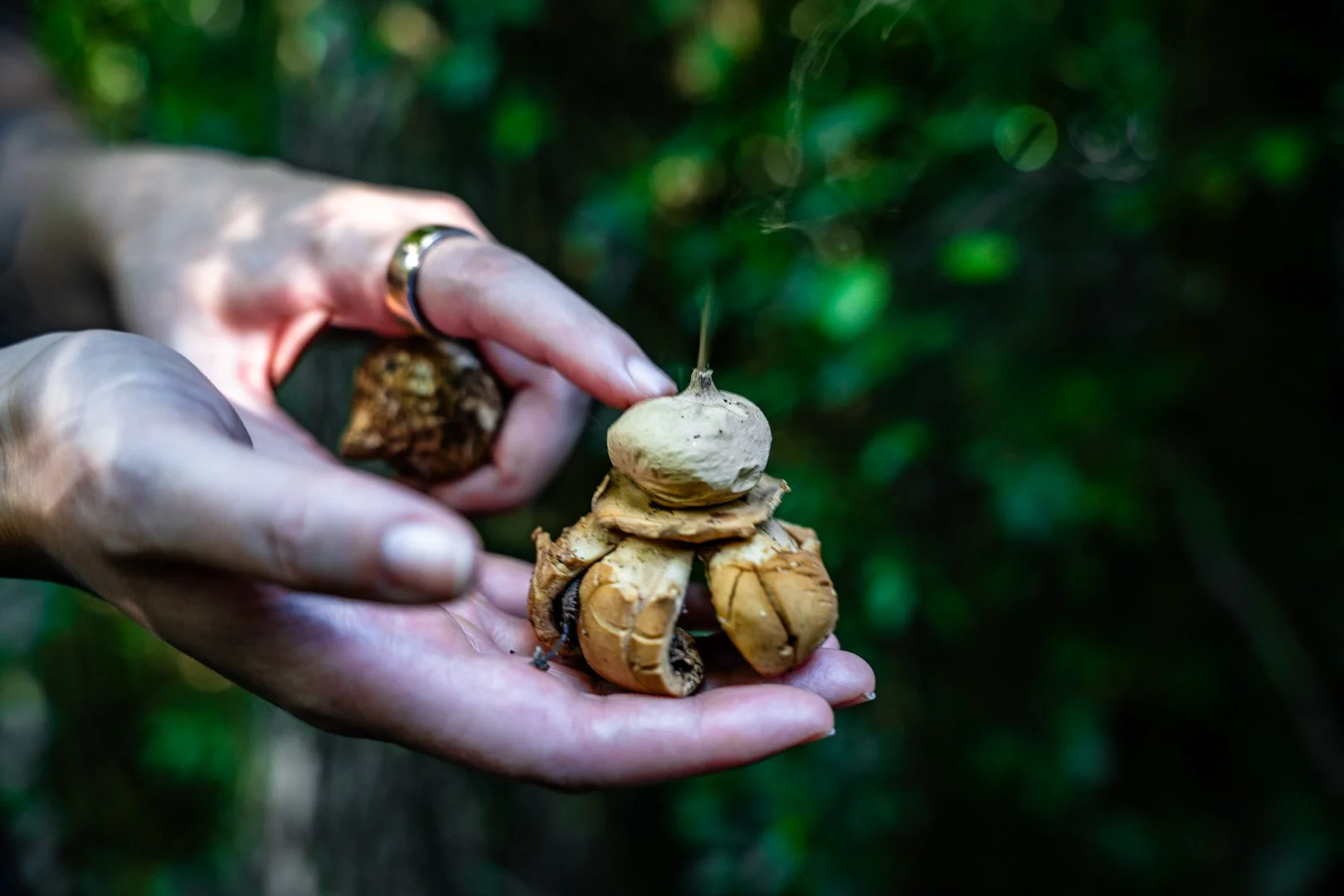
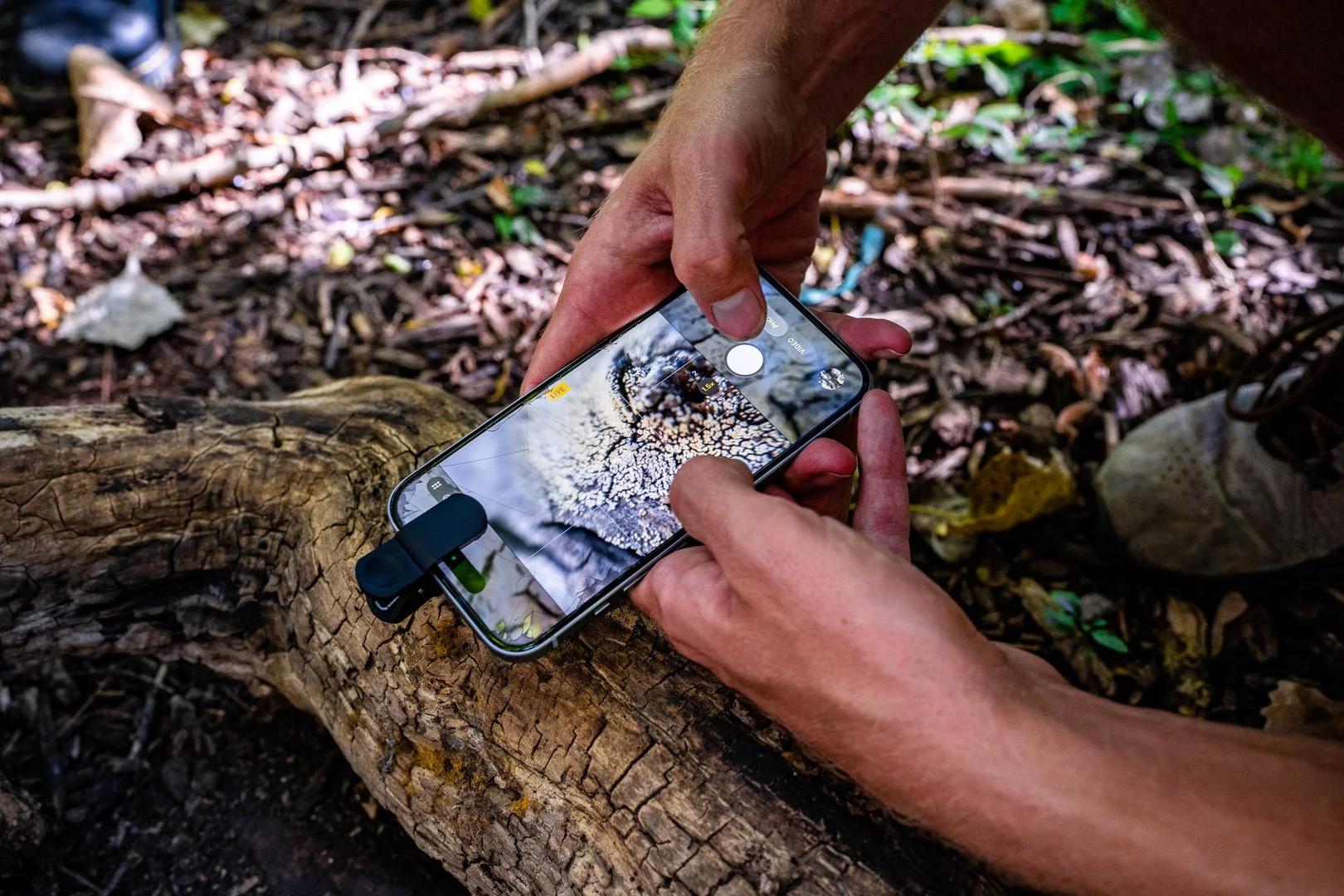
Someone would spot something. Everyone would gather around. Phones would come out. Pictures would be taken. Questions would follow. Then somebody would start wondering what it would look like in a tabletop game. This happened repeatedly.
Everything Is a Monster
The more we looked, the stranger mushrooms seemed.
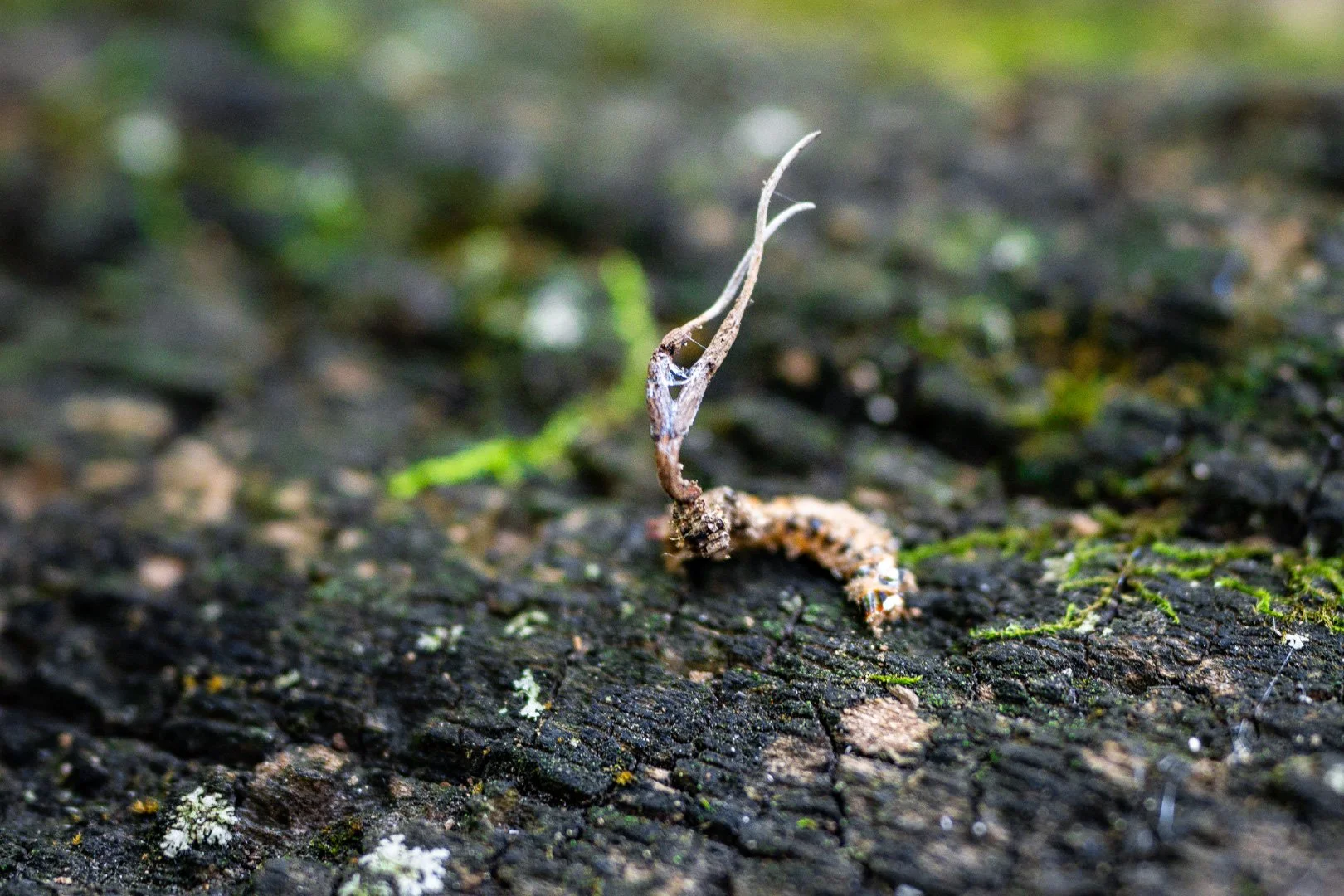
They appear suddenly, sometimes in places that seem almost deliberately selected for dramatic effect, and they have a remarkable tendency to look like something a person would invent after being told to design a monster but given no other instructions. They're colorful, sometimes enormous, occasionally poisonous, and capable of doing things to insects that sound like the plot of a horror movie. This may explain why TTRPG enthusiasts like them.
Tabletop gamers have a particular habit of turning the world into game material. A weird building becomes a dungeon. A local ghost story becomes an adventure hook. An unusual animal becomes a stat block before you've even finished explaining what it is.
Fungi give us plenty to work with. The Chicago Mushroom Club's focus on urban mycology made the whole experience especially appropriate for us, because there is plenty of strange material hiding in plain sight. Their work is about noticing the fungi already living around us—in parks, woods, neighborhoods, and all the strange little patches of nature tucked into Chicago.
You don't have to travel somewhere remote to find something weird; sometimes you just have to look down. That turned out to be a useful lesson for us, and it also gave us a chance to spend an afternoon together without a game in front of us.
Outside the Game
Looking down at the forest floor also gave us a chance to do something else: spend an afternoon together without a game in front of us.
There are a lot of ways to have fun with a gaming community. Some are obvious: sit down at a table, spend four hours rolling dice, making plans, and watching those plans immediately become someone else's problem. But there are other kinds of fun, too. You can try something new, learn something, meet people who are excited about something you've never considered, or spend an afternoon outside your usual routine and discover that this is actually pretty great.
A mushroom walk happens to cover several of those at once.
The people who make up a gaming community have lives that extend well beyond the table. We have hobbies, interests, and apparently a willingness to be delighted by the world around us. And gaming follows us around anyway. We see something strange and wonder how it would work in a campaign. We learn that a fungus does something horrifying to an insect and immediately start discussing fungal body horror.
The exchange goes both ways. Our interests outside gaming give us new things to bring back to the table, while the community we build around gaming gives us people to share those interests with.
That is part of what makes events like this worth doing. They give us another reason to get together, another way to meet people, and another source of things to be curious about. Sometimes we can make something, visit a museum, watch a movie, learn from another Chicago organization, or spend several hours in the woods while someone explains why the weird little growth on a tree is much more interesting than it looks.
That last one turned out to be pretty fun.
Touching Grass
If you've spoken to me at a CTGA event, you may have heard me affectionately describe this community as catering to indoor cats. It's not entirely unfair. Tabletop gaming gives us plenty to keep us indoors: games to play, Discord messages to answer, character sheets to fill out, campaigns to prepare, schedules to coordinate, maps to draw, and VTTs to dynamically light. There is always another thing to do, which is why it's occasionally good to go outside and remember that the world will continue functioning without us.
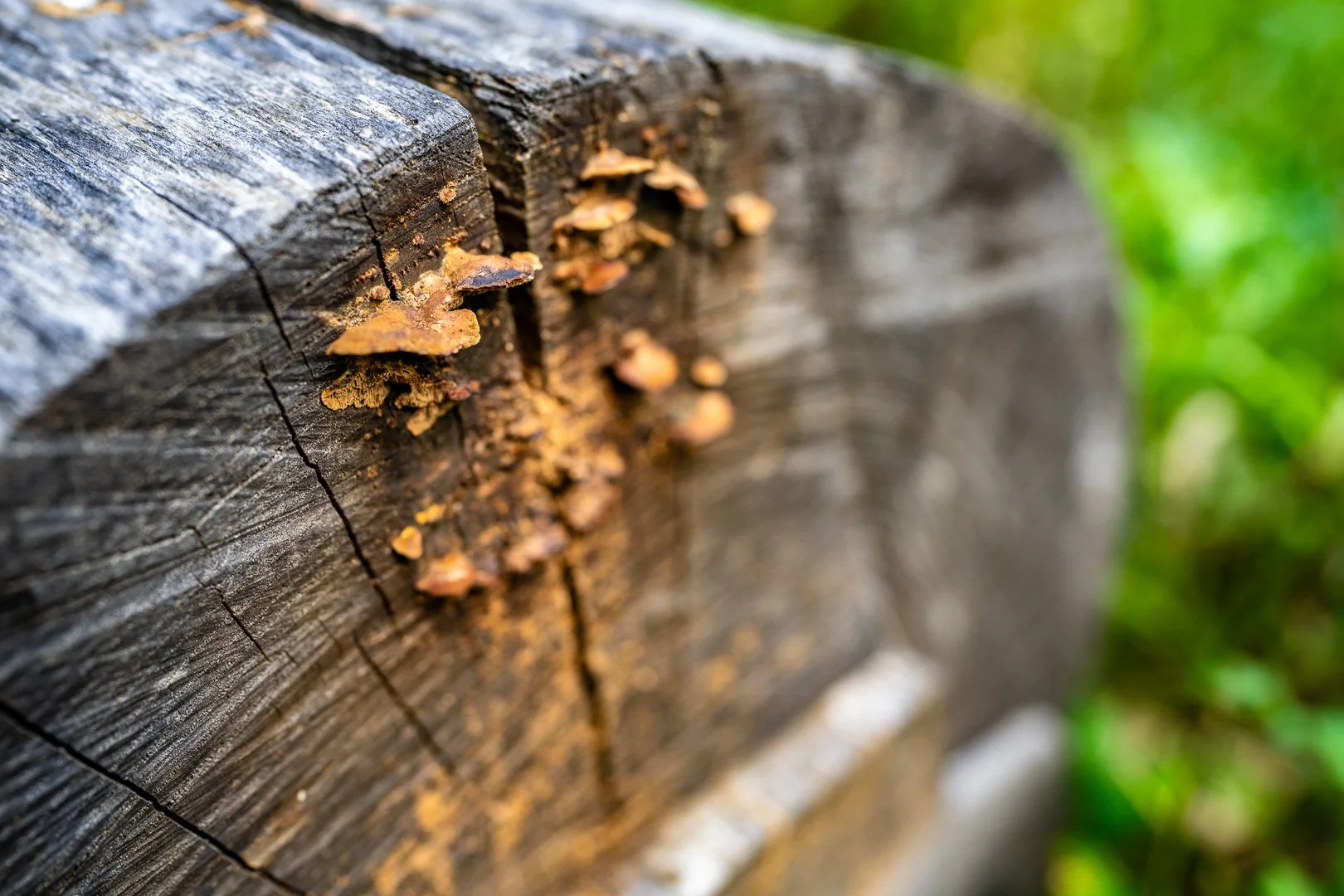
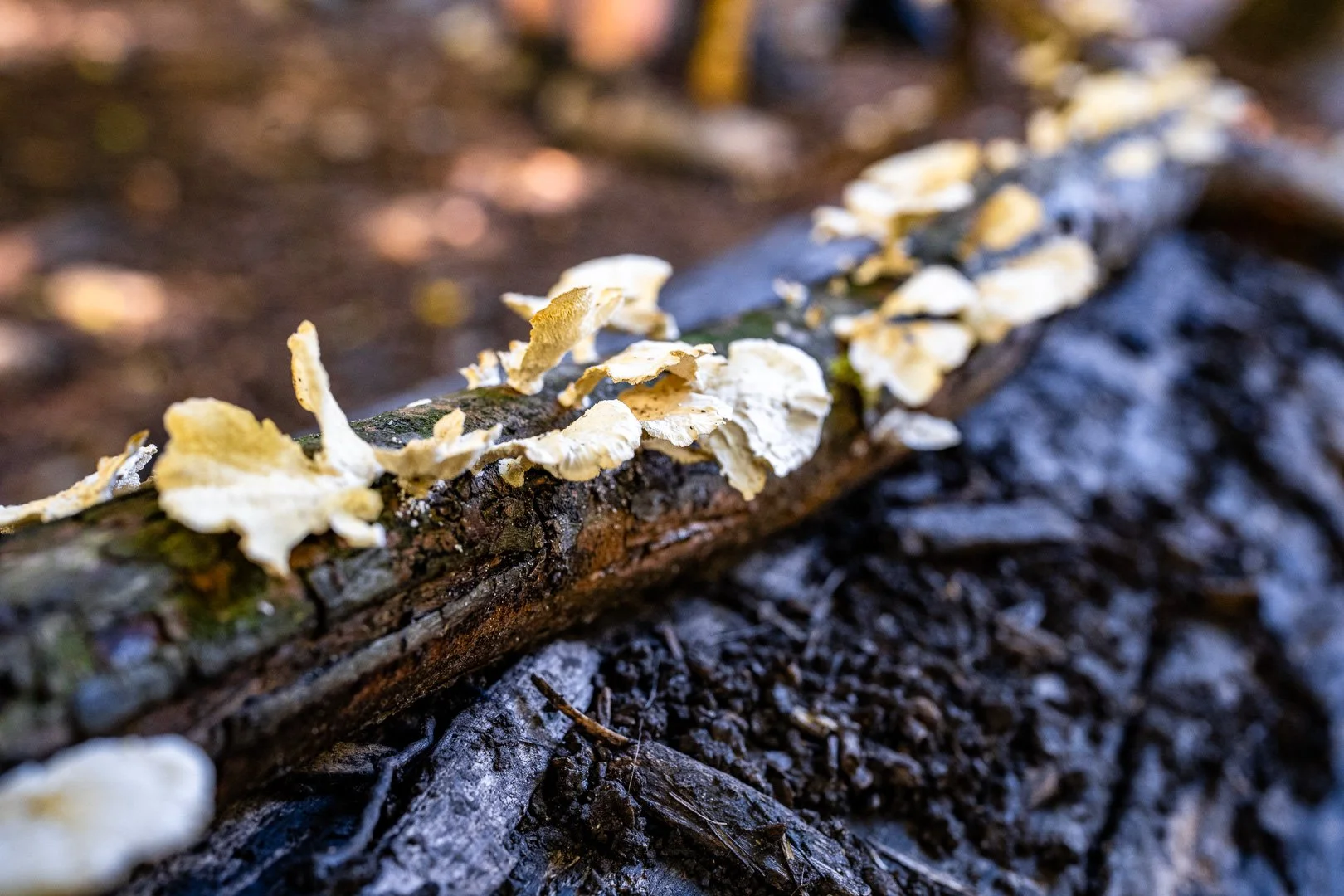
The mushrooms are growing. Fungi are decomposing trees, parasitizing insects, spreading through soil, and generally doing an astonishing amount of work while the rest of us are arguing about initiative order.
We had a great time. We learned a lot, took a frankly unreasonable number of mushroom photographs, and came away with ideas for monsters, encounters, campaigns, and at least one deeply unpleasant cave.
Maybe that's part of what these events are really about. Tabletop gaming gives us a reason to gather, and there is no particular reason that gathering has to happen around a table. Sometimes the thing that brings us together is simply something strange we want to go find.
We hope Spore Lore becomes something we get to do again. There are more mushrooms to find, more things to learn, and presumably several more horrifying ways for fungi to make their way into someone's next campaign.
For now, though, CTGA has officially touched grass.
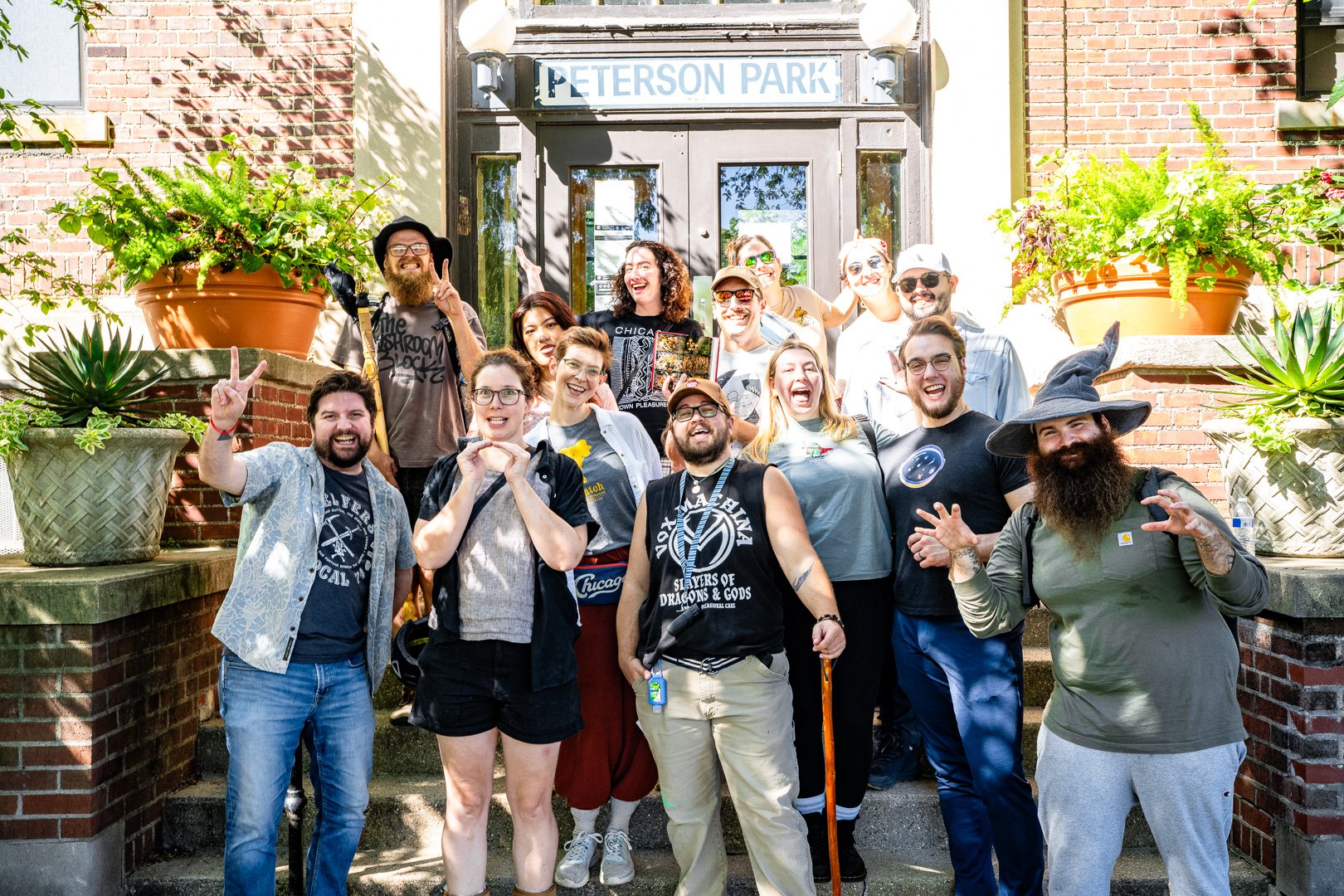
All photography from the Spore Lore mushroom walk is curtesy of Zachary Keltner. Check out his website and follow his work on Instagram.
This article was written by Katarina, one of the CTGA board members. Special thanks to our event partner, Dylan, from the Chicago Mushroom Club. If you’d like to learn more about their organization, you can check them out on Instagram and Facebook.
Want to make sure you don’t miss the next CTGA event? Use the buttons below to check out our event calendar or learn more ways to get involved.

Disclaimer: The information in this blog and on www.chicagotga.org is presented for educational and entertainment purposes. Any statistics, recommended products, or other information is researched in good faith, but no warranty is made to the completeness nor accuracy of the source. All written and multimedia content published here is the intellectual property of Chicago Tabletop Gaming Association (CTGA) or contributing community members and is not for reproduction or sale by third parties. By accessing this site and all its materials, you agree to and acknowledge these terms.
