Every year around the end of September somebody at the table says, "I've been thinking about running Curse of Strahd," and everyone nods, and a group chat gets made, and session zero happens in the second week of October with genuine enthusiasm and a shared document.
And then, statistically speaking, you never see the castle.
I have written before about how scheduling fatigue is what actually TPKs most groups, and Barovia is where that particular truth goes to prove itself. Strahd is a great module, with a multitude of supplemental material, small and big! (1.) But it is also a full campaign, which means you are asking a table to hold a horror tone across months of Tuesdays, through the holidays, past at least one person moving apartments and one person getting a new job with worse hours, and most of us simply do not make it. The book goes back on the shelf sometime around the second Vistani encounter, and everybody feels a little bad about it.
I want to suggest that this is not only a scheduling problem. It is a problem of what horror actually needs in order to work. Dread is not a resource that accumulates over thirty sessions. It is closer to a held breath, and the reason a good scary movie runs ninety minutes rather than nine hours is that the whole effect depends on the audience agreeing to stay tense and then being let go. A table can do that beautifully across one evening or three. Across nine months it can become something else - usually a fairly ordinary adventure campaign in a spookier hat with were-ravens.
So here is my pitch for this autumn. Rather than committing to the long gothic haul, run something short and strange that actually fits the season you are standing in. Every game below is one I would hand to a table September — November without hesitation, and most of them work beautifully as a one-shot or a three-session arc. Barovia will still be there next year.
(1.) Ok, if anyone has the Beadle and Grimm’s Legendary version of Strahd, I would very, very much like to join your campaign. Forget everything I said! Just look at it!
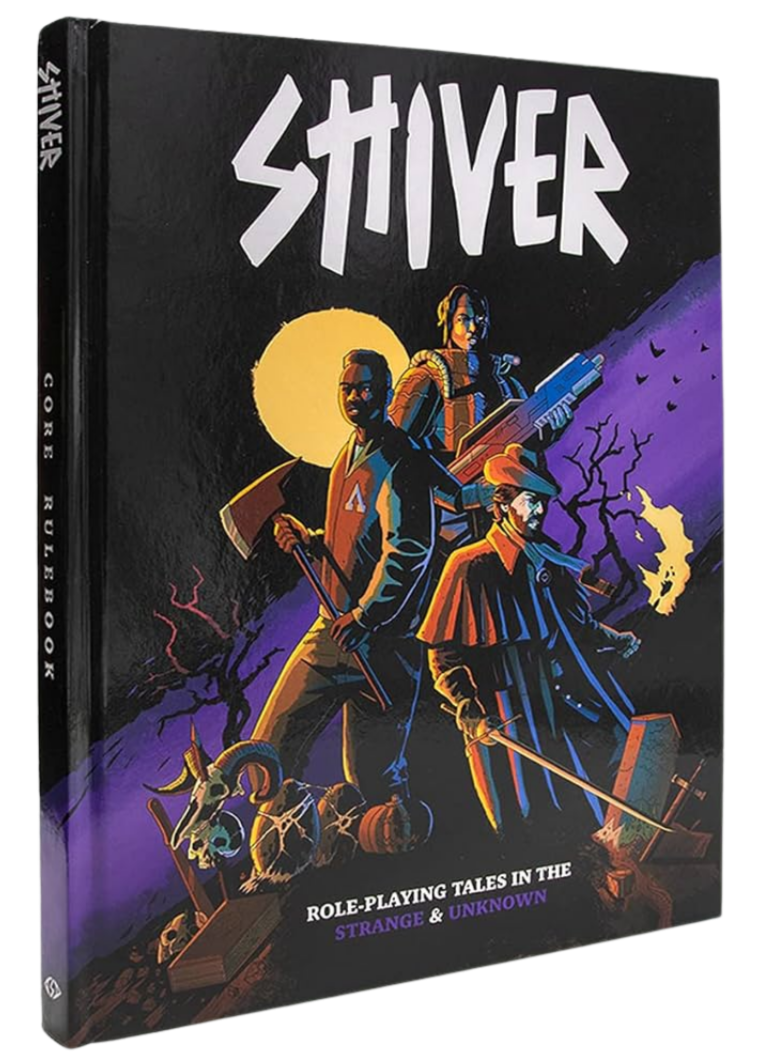
by Parable Games
If you only want to buy one book for the whole month, make it this one. Shiver is deliberately setting neutral, so the same rules that hand you a pack of teenagers surviving a zombie horde will also hand you a medieval monster hunter or a Cthulhu-shaped mystery, and Parable Games is charmingly upfront that the entire point is letting you play through your favorite scary movie, or better yet, make the sequel that nobody ever greenlit. It uses a cool symbolic dice system and a Doom Clock that handles the tension bookkeeping you would otherwise be doing in your head.
A visible clock makes the pressure a thing the whole table can see and respond to rather than a thing one person is privately managing. There is a full shelf of supplements behind it now, so once your table learns the system, you can even change genre every week without anyone learning a brand new system.
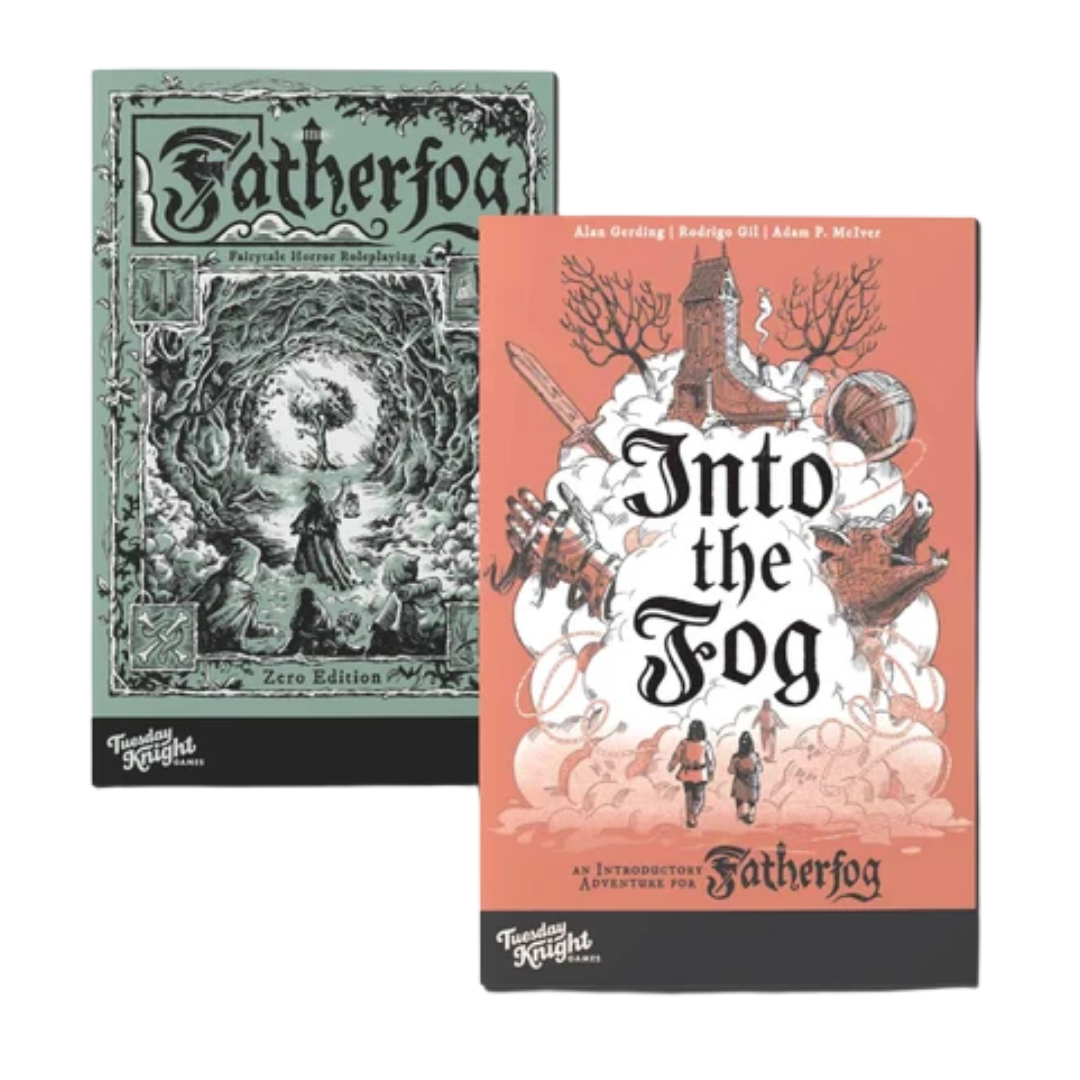
By Tuesday Knight Games
We have sanded the rough edges off of some stories so thoroughly that it is easy to forget fairy tales were basically horror from the beginning. They were cautionary stories told by people who very sincerely needed their children to stay out of the woods, and the wolf was not a metaphor. Fatherfog, a new game from Tuesday Knight Games (the folks who brought you Mothership (2.) takes that at face value.
A fog rolls in and brings the tales with it in their original meanness, and the genuinely wicked design choice is that knowing the stories can still get you killed as easily as it can save you, because you will absolutely try the clever thing the third son does in the version you were told, and the story will have other plans.
The game has you roll up 2 characters at the start because it’s just that deadly. If you love Mothership, you’ll love this game. It’s also got some ingenious baked-in flavor flourishes to character creation that can serve as excellent narrative sparks, so if your home game table has overactive imaginations, this is a game for them!
(2.) I see what you did there, Tuesday Night Games. Can I pitch Sistersquirrel, a Pokemon / Pastoral mashup???
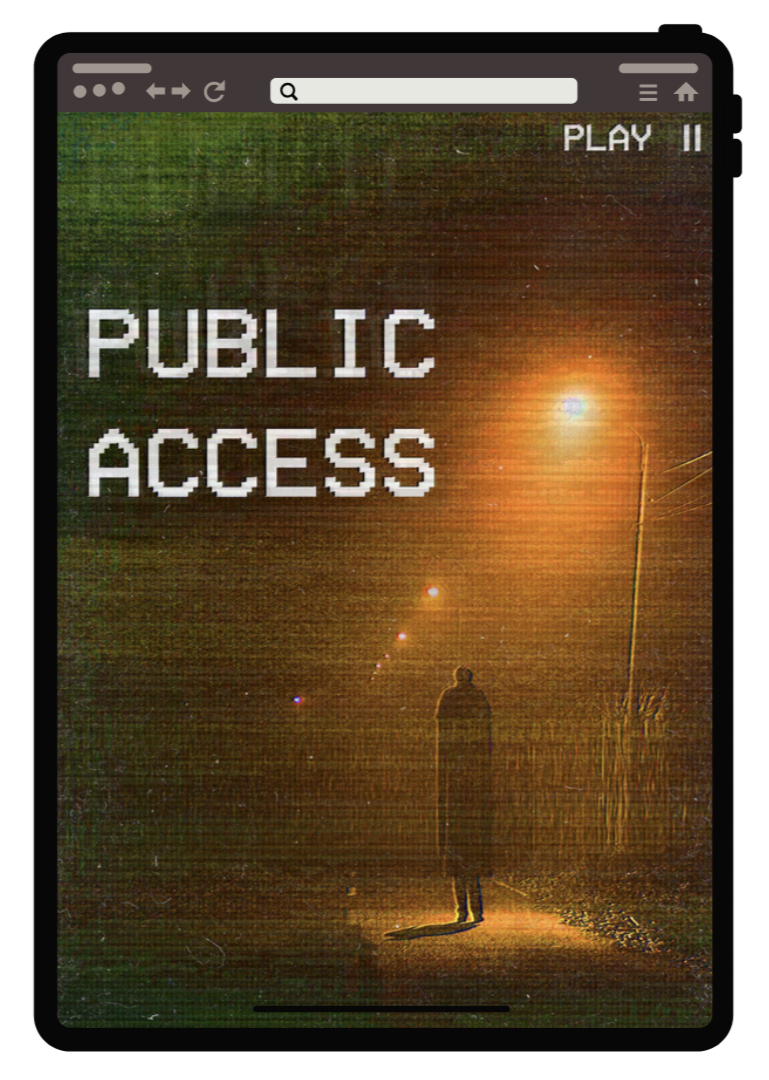
by The Gauntlet
Public Access runs on the same engine as Brindlewood Bay (mentioned in our cozy list), and I find real delight in the fact that one system can produce both a game about grandmothers solving murders and a game that literally gives me nightmares.
You play the Deep Lake Latchkeys, a handful of people in 2004 picking at the mystery of a public access station called TV Odyssey that broadcast out of Deep Lake, New Mexico, and then simply stopped existing. On one side there is the specific warmth of 90’s nostalgia none of us can get back, with tape hiss, late-night local TV programming, and an internet still small. On the other side is creepypasta logic, the creeping certainty that the tape knows you are watching it and the thing in the corner of the internet is asking for a way out.
Because the mystery mechanics of Carved in Brindlewood system, Public Access games have the table collectively agree on a solution from the clues you have gathered, rather than hunt for the key that unlocks the canonical explanation the GM hid in a drawer. It is a great system for friends who love to spook and be spooked by each other AND their Discord community is thriving and full of cool, creative folks (very CTGA Discord twinsie vibes!).
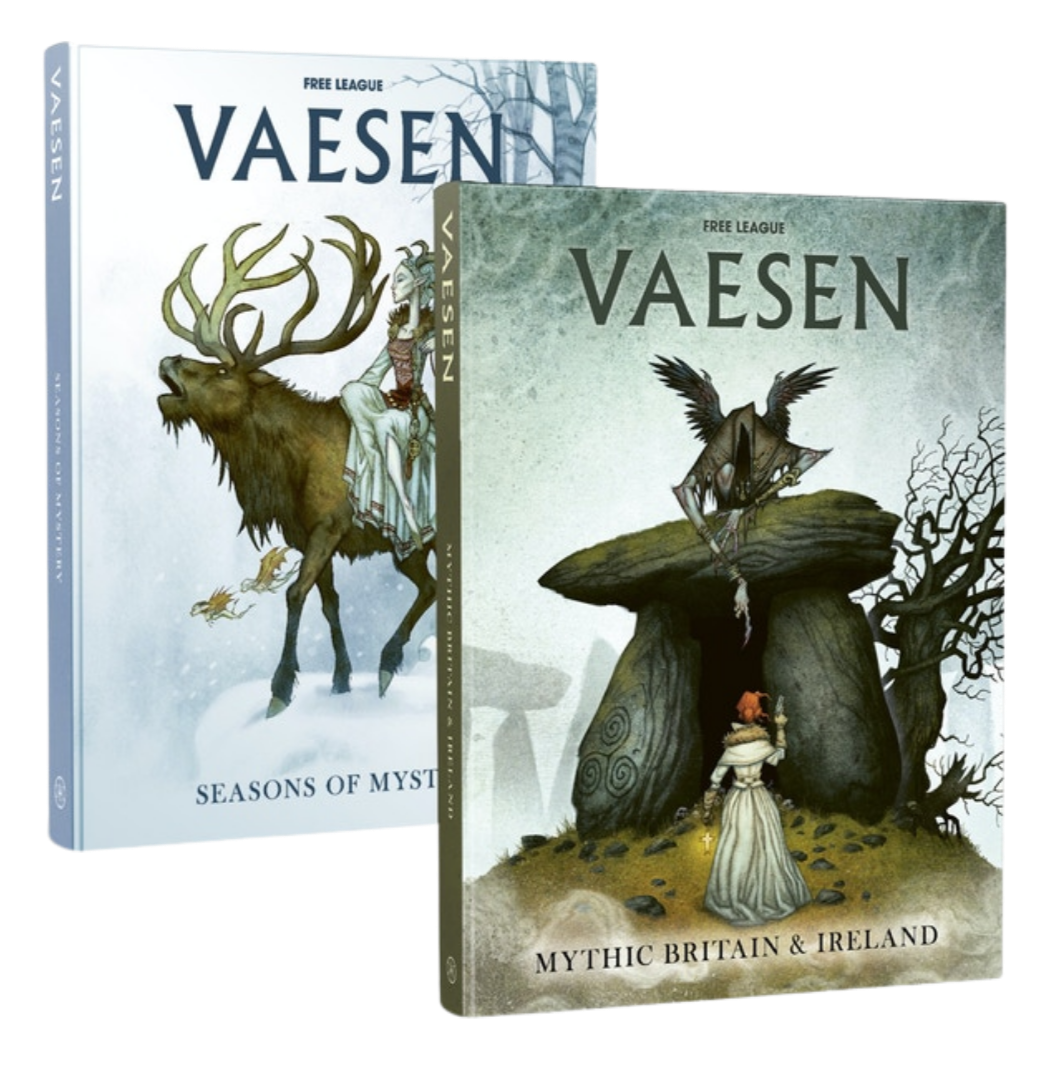
by Free League
Where Fatherfog gives you fairy tales at their cruelest, Vaesen gives you folklore at its oldest and most rooted. Free League built the game on the work of Swedish illustrator Johan Egerkrans, and it puts you down in a nineteenth-century Mythic North where the cities are spinning up industry and enlightenment, but absolutely everyone in the countryside already knows what lives past the treeline.
The Vaesen of the stories are based on real folklore, and the game affords them the seriousness they earned across several hundred years of people believing them. It’s a system that also refuses to easily demonize these creatures. (3.) After all, the Industrial Revolution is part of what’s displacing them to begin with. The horror sits precisely on the line where enlightenment meets the old ways — and it’s not looking good for the enlightenment.
(3.) Some of them will still eat you even as you empathize with them though.
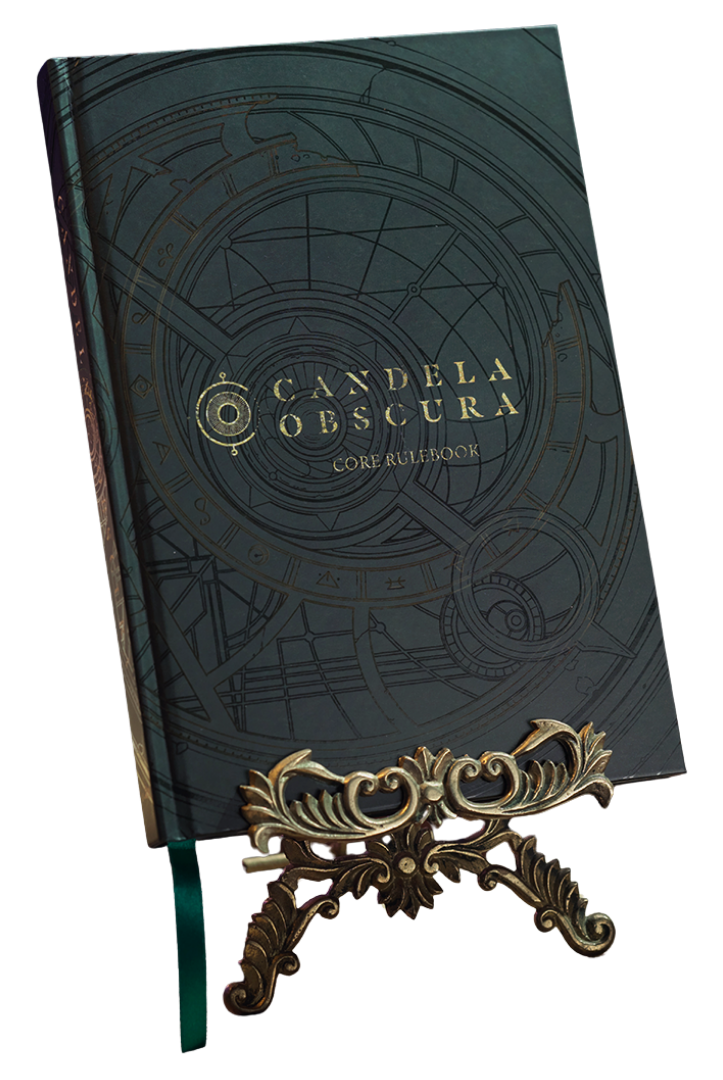
by Darrington Press
This is the one to reach for when your table wants to sink into a world rather than visit it. Darrington Press built out an enormous amount of setting here, where the lore keeps opening into more lore. Newfaire is a city sitting directly on the ruins of the older, deader city that came before it, in a country that won its last war on the strength of what it managed to build out of hyper-deadly electricity. (4.) You get gaslight and gothic dread on one side, and magic bleeds through thin places.
Your gang are investigators in a centuries-old secret order, sent out in circles under a Lightkeeper to find whatever came through and put it back. The game lends itself to a monster-of-the-week structure, and the Illuminated Worlds ruleset has a nice balance of calculated risk-taking and management that’s great for players who like some “crunchy” topping on their atmospheric roleplay.
(4.) I played essentially a steampunk version of Batgirl suffering from trauma from the war. Ask Mel The GM about the time my character shrugged off a gaslamp fireball alley explosion.
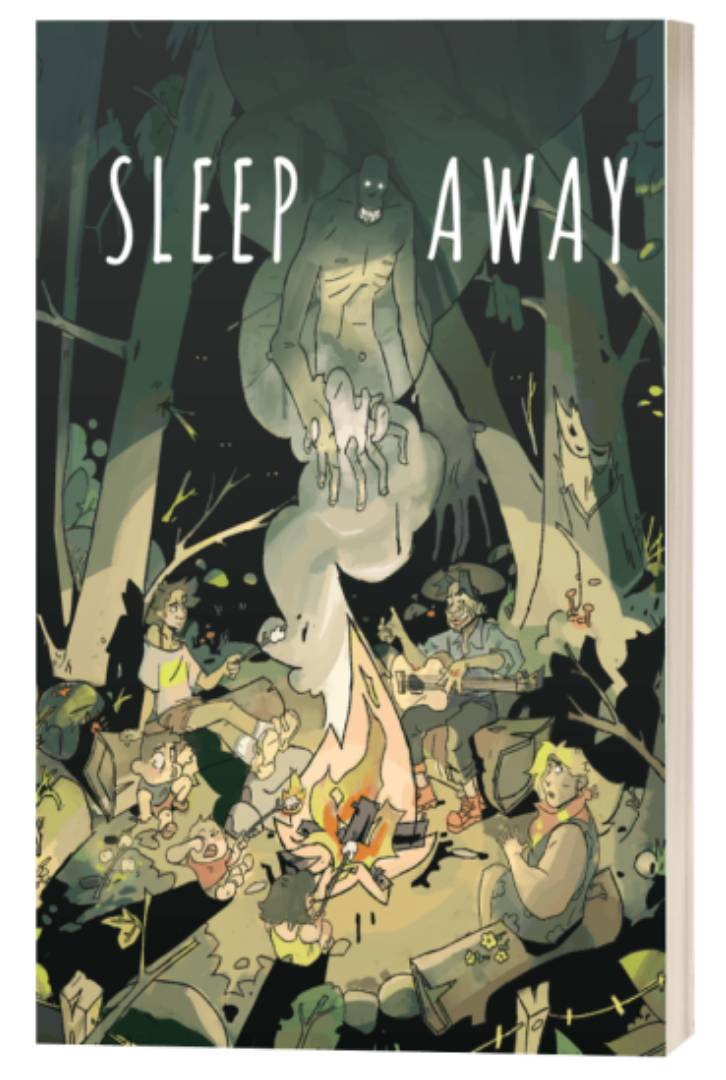
by Jay Dragon
Sleepaway is by Jay Dragon, the same designer who gave us Wanderhome, which lands on my cozy list this month, and setting those two games beside each other tells you something true about how any of this works. The exact attention to gentleness that makes Wanderhome feel like a long warm afternoon is the thing that makes Sleepaway hurt.
You play counselors at a summer camp trying to keep a group of queer kids safe from a cryptid, and it runs on Belonging Outside Belonging, so there is no GM, and there are no dice, just a table passing tokens around and steadily making things worse for one another. With no GM, there is no one to be afraid of, which means the only place the threat can come from is the people who are supposed to be on your side, and you have spent the entire session caring about them first.
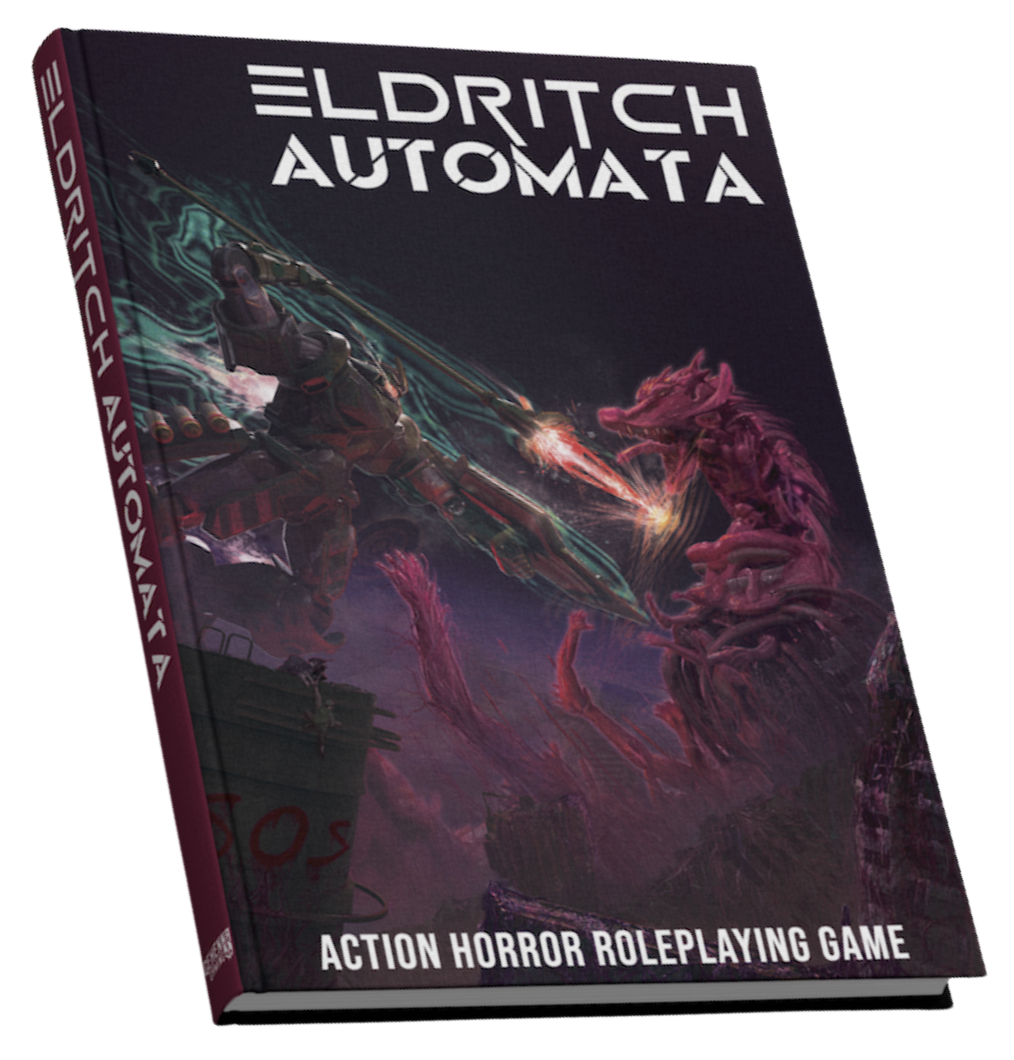
by Gehenna Gaming
The pitch for this game is that the gods are dead, and you are piloting their spooky mecha husks against eldritch horrors, which is either enough for you or it is not. What earns it a place on a spooky list rather than a mecha one is that all the horror points inward.
You are fighting eldritch things that want to eat you from inside a machine that is slowly killing you, and the Stress and Stability systems mean the genuine mechanical threat in any given session is your own mind giving out. Psychological deterioration is in the rules rather than just in the fiction, and it is the sort of game that rewards a table who has agreed in advance how far they want to go. Anime and psychological horror fan tables will love this game. (5.)
(5.) And folks who want to settle the whole “Optimus Prime vs. Cthulhu argument
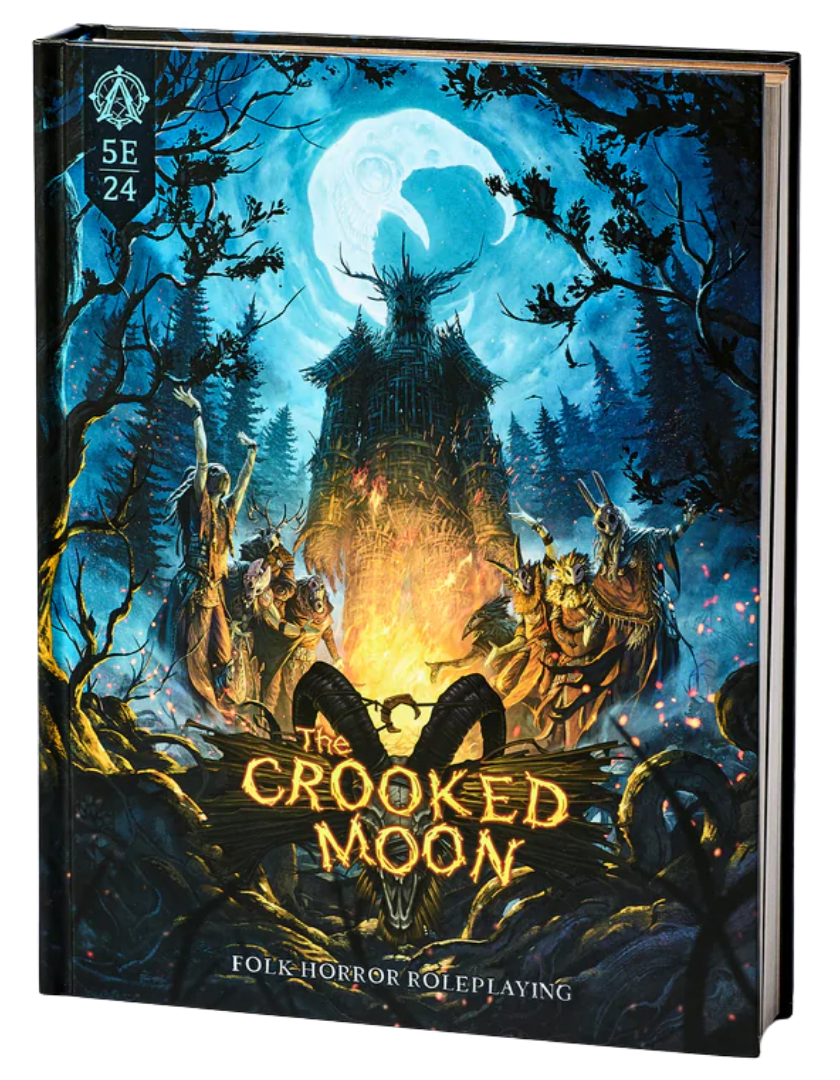
by Avantris Entertainment
If after all of that you are still a D&D table and you intend to stay a D&D table, here is your Barovia substitute. The Crooked Moon is a hefty folk horror book for both fifth edition from Avantris, set in Druskenvald, a land of eternal night, with fifteen subclasses, thirteen species, eighty-five monsters, and an adventure that carries a party from level one all the way to fourteen.
I put it last rather than first because I want to be honest that it makes the same ask Strahd makes, which is real commitment across real months. But there is a difference between drifting into a long campaign because it is the default and choosing one with your eyes open. If your group genuinely wants the long gothic haul this year, you can have it without making anyone learn a new system AND your reward in choosing Crooked Moon is some beautifully constructed subclasses and species, dynamic enemies, and gorgeous art. (6.)
(6.) At GenCon, I test-drove a pumpkin person assassin rogue. I jacked folks up. (Get it?)
Wherever the haunt takes you, just make sure your safety tools keep the table caring for each other and ready to take big risks. See you in the fog…..
This article was written by CTGA Secretary, Susan Haarman, PhD. Did your favorite spooky game make the list? If not, come tell us about it on Discord! Look for our channel on “GM-Discussion” or if you’re creating your own Halloween-flavored system, check out our “Playtesting” channel. The Chicago Tabletop Gaming Association is devoted to connecting local gamers with their new favorite TTRPG and making Chicago the center of the tabletop multiverse — and we’d love for you to join the party!

The information in this blog and on www.chicagotga.org is presented for educational and entertainment purposes. Any statistics, recommended products, or other information is researched in good faith, but no warranty is made to the completeness nor accuracy of the source. All written and multimedia content published here is the intellectual property of Chicago Tabletop Gaming Association (CTGA) or contributing community members and is not for reproduction or sale by third parties. By accessing this site and all its materials, you agree to and acknowledge these terms.