Last time I made the case for spending your autumn on something short and strange instead of sinking nine months into Barovia. This is the companion list, and I want to be clear up front that it is not the runner-up. Spooky and cozy are two genuinely different pleasures.
But also, let us be honest, this one is for the scaredy-cats. You have at least one at your table, the friend who agrees to the horror one-shot and then spends the whole session announcing that they are staying in the car, or the person who watched the trailer for Public Access and had to go look at pictures of otters for a while. This list is for them. It is also for those in the third week of October who have hit their dread quota and want to spend a Sunday being a very small creature with a very good scarf.
Autumn is not only a horror season. It is also cloves and cider and light going gold at four in the afternoon. The correct response to that kind of Sunday is a blanket and a pot of something hearty. Some tables want to be scared this month, some want to be warm. Autumn gives you both, which I think is the real reason this season is so good for gaming.
So here are nine games where nothing is chasing you. Some are for a full table, some are for one person and a deck of cards, and yes, a couple of them will still make somebody cry, because cozy has never meant nothing is at stake. It just means the stakes are things like whether the harvest comes in, whether you find the right words for a friend, and whether the place you love remembers you after you are gone. When you say these out loud, they are arguably scarier than a werewolf.
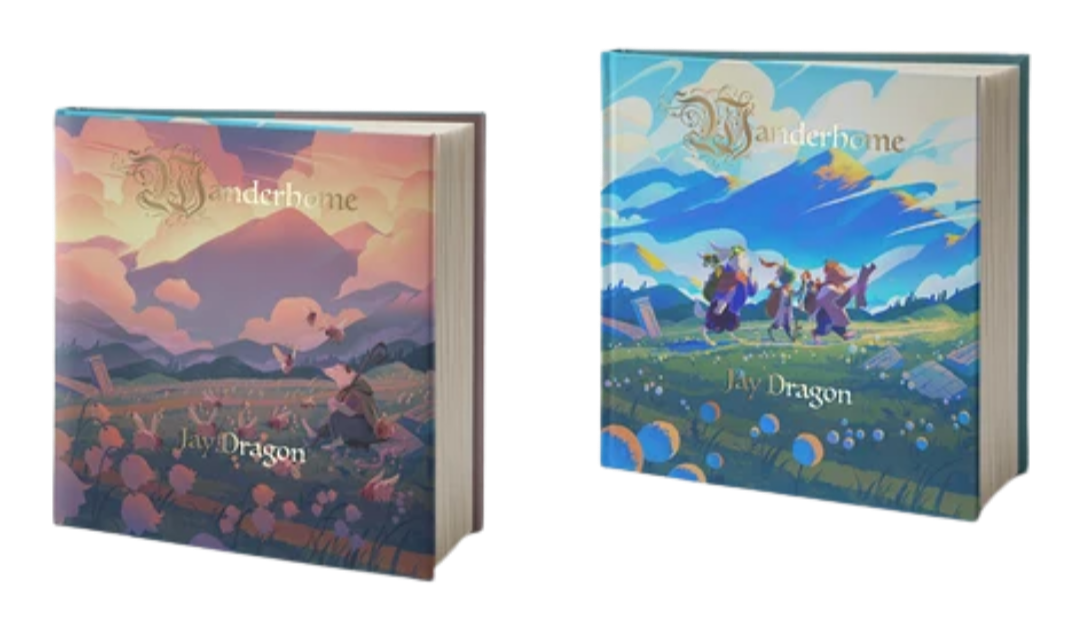
Wanderhome is a pastoral fantasy game about traveling animal-folk in a world called Hæth, and its own description promises grassy fields, mossy shrines, herds of chubby bumblebees, opossums in sundresses, and salamanders with suspenders, which should tell you everything about the register. You might play a tamarin who dances with small and forgotten gods, or a mail carrier who depends on moths to get packages where they belong.
What makes it the right pick for right now is that the seasons are structural rather than decorative. There is no GM and no dice. If your table has never played anything without a d20, this is the gentlest possible on-ramp. Also, this is by Jay Dragon, who wrote Sleepaway from our spooky list. Same designer, same care, wildly different afternoon.
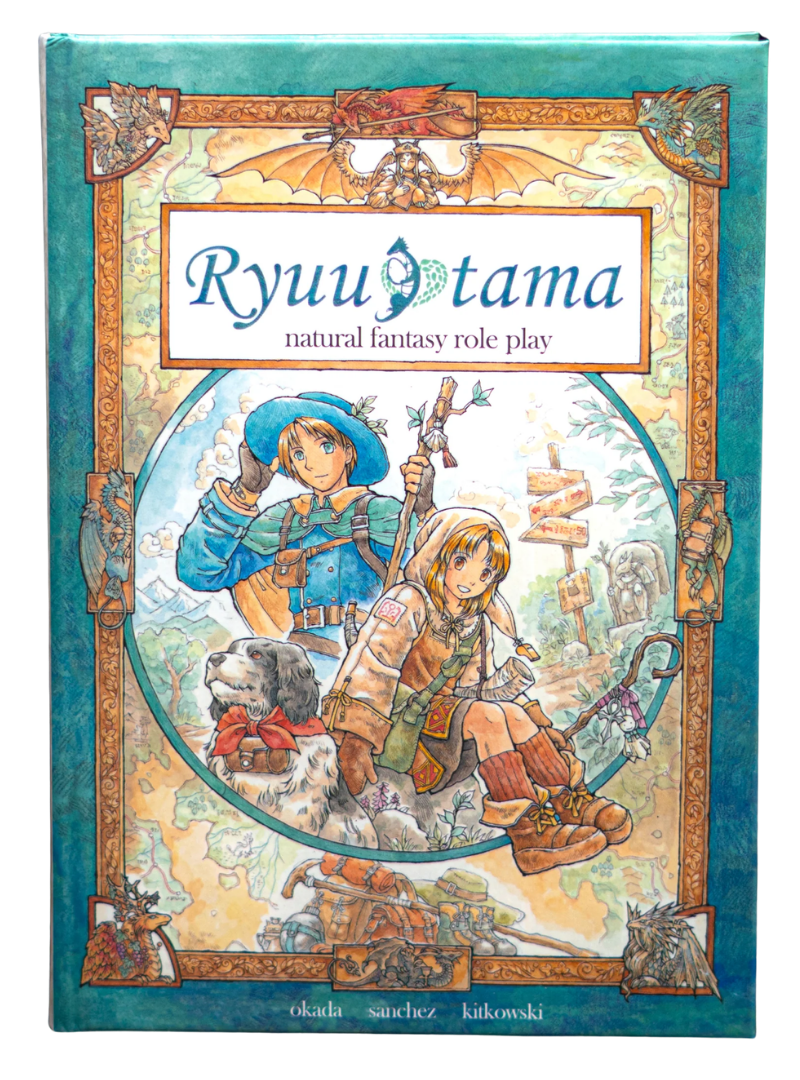
If Wanderhome is the season as a mood, Ryuutama is the season as a to-do list, and I mean that as the highest compliment. It is a pastoral fantasy from Japan about ordinary people, minstrels and healers and merchants and farmers, taking the journey everyone in their world takes at least once. Travel is the actual content. Weather, terrain, food, and the state of your boots all matter mechanically.
Two things I love here. Magic-using characters each attach to a season, which grants small spells with themes to match, and the published examples include making a companion feel like they just took a wonderful vacation and conjuring a cubic meter of dried leaves. The other is the Ryuujin, the GM's own character, a dragon-person who quietly travels alongside the party the whole game and may eventually reveal themselves with the line "I have been with you all this time." If that does not get you, I do not know what to tell you.
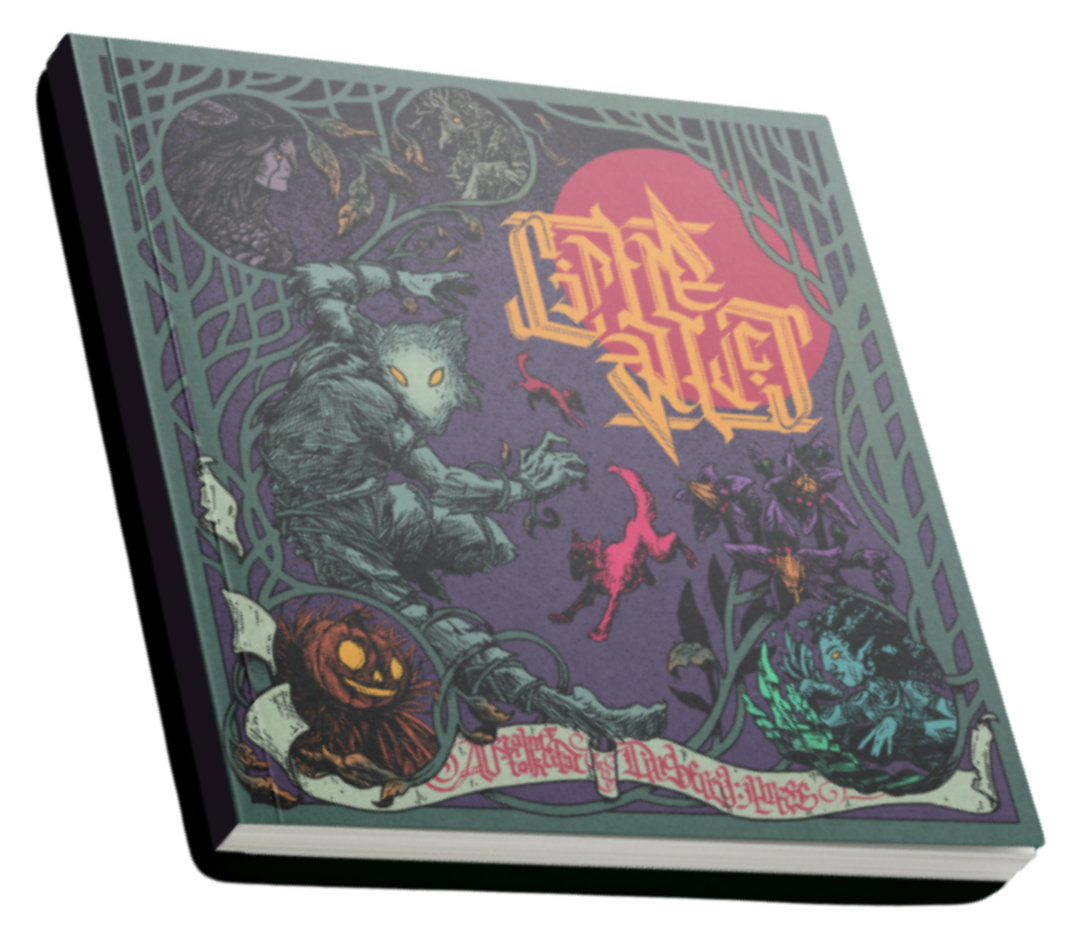
This is my crossover pick, and the one I would hand to a table that cannot decide which of these two lists it wants to be on. Little Wolves is a game of shapeshifting folklings in an enchanted forest from Dinoberry Press, and the pitch is Over the Garden Wall by way of The Witcher, which is exactly the tonal seam autumn lives on. Warm and a little wrong. Leaves and teeth.
The thing that makes it special is that you physically craft a mask for your character, and the mask picks up Marks as the character changes over play. Your character's development becomes an object on the table that you can hold. It’s a character sheet you can wear.
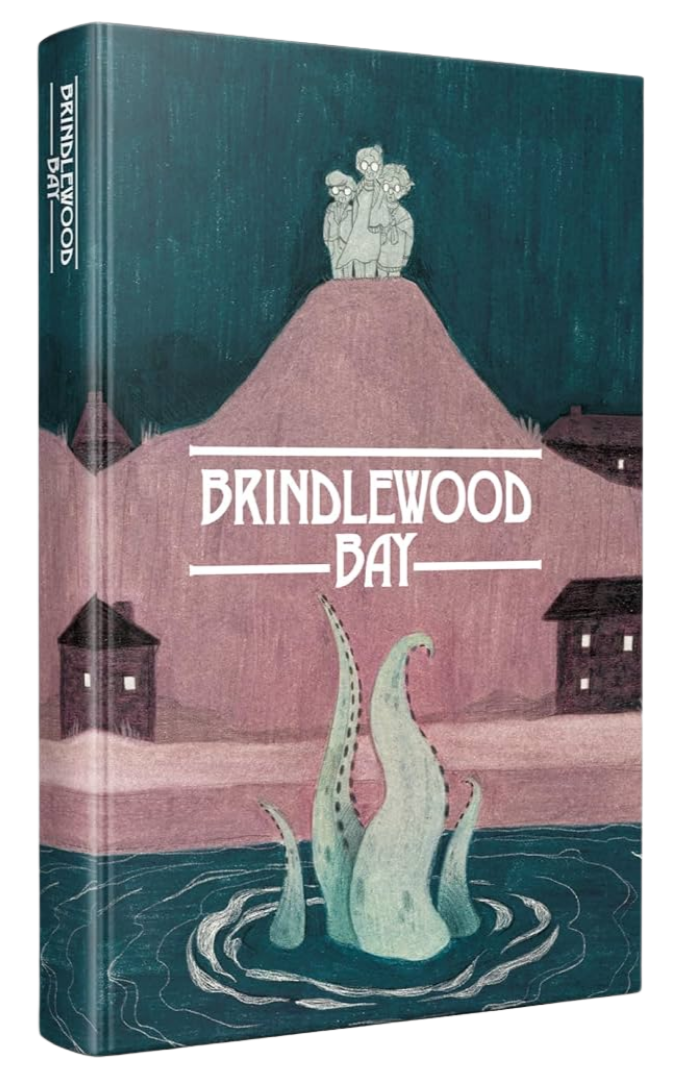
Cozy mystery is a genre for a reason, and Brindlewood Bay is the best tabletop version of it. You play members of the Murder Mavens Mystery Book Club, elderly women in a picturesque New England town who keep helping the authorities solve murders, and who slowly become aware that something occult connects all of it. It is low-prep and has some mechanics that are great for people with no roleplaying experience, which makes it a great pick for the friend who keeps saying they would try this if it were not so complicated.
For a seasonal table, there are published mysteries that can do a lot of work for you. My favorites that can let you run this month after month without ever leaving October are:
All Hallow's Scream
Decorative Gore Season
Fall Guys
Strange Trains in Autumn Revealed
Astute readers will notice this runs on the same engine as Public Access from the spooky list. Same bones, two completely different nights, and only one of them requires a nightlight afterward.
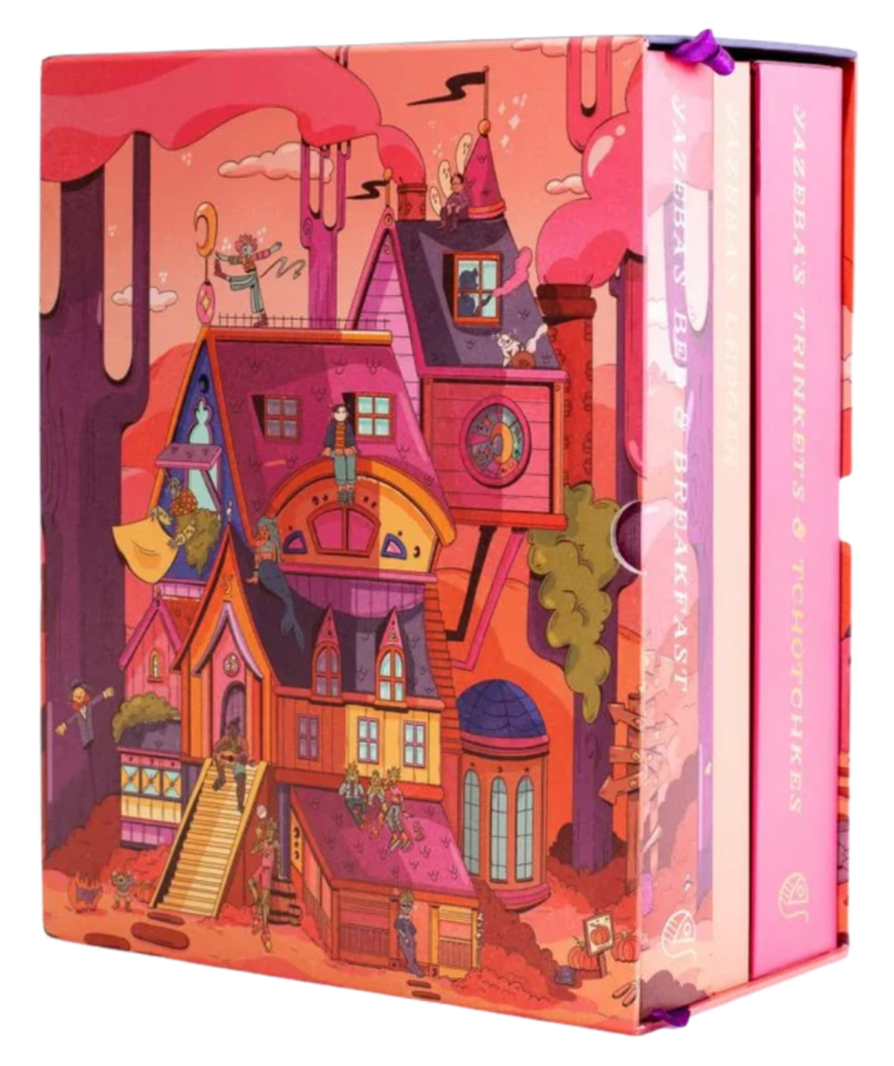
The latest edition is currently available for pre-order only. But you can find an older version of the game available as a PDF here.
Yazeba's is a sprawling old house outside of time and space where it is always September 15th and there is always room for one more visitor, which means this game is permanently set on the exact day autumn starts to feel like autumn. Possum Creek built it as a book of chapters rather than a campaign, and each chapter is a self-contained little story with its own quick rules, so you only ever have to learn the bit in front of you.
Those chapters include lazy afternoons, frightful nights, insurmountable chores, and genuinely zany competitions, and there are bespoke rules for things like conquering a mountain of laundry, picking berries, naming constellations, and surviving a trip to the scary basement.
The real magic is that the book is legacy-style. You mark it up, you unlock guests and chapters, and characters change permanently through play, so your copy stops being a rulebook and starts being a record of your particular group. It is also built for drop-in play, which makes it the ideal answer to the autumn scheduling problem. Somebody cannot make it this week? That’s fine. The house does not mind.
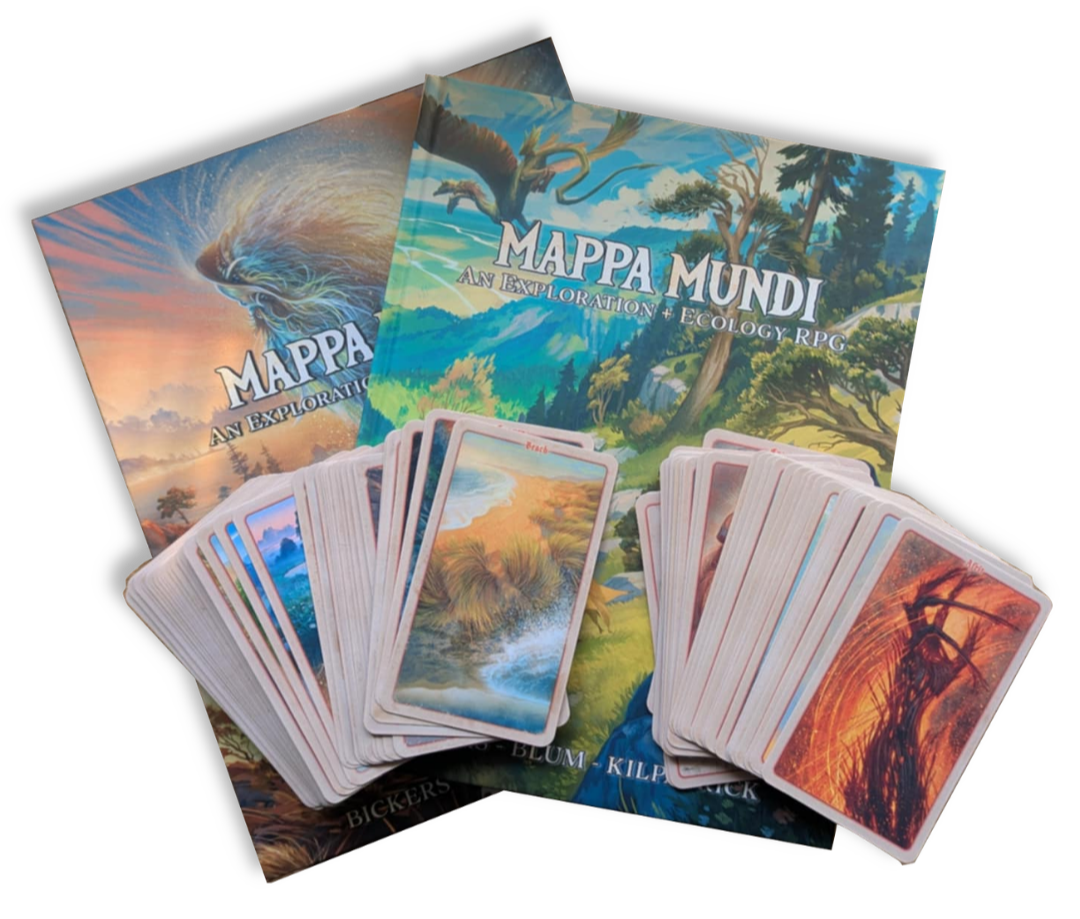
Mappa Mundi from Three Sails Studios is about exploration and ecology in a world coming back from a century of ecological disaster and cultural isolation, and its own tagline is leave your sword at home, which is a clean signal to anyone who assumes every RPG is combat with a story attached.
I like this one on a cozy list because it is not cozy by way of smallness. The scope is enormous. It is cozy because the mode is attention, going carefully into a place and learning what lives there and what it needs, and that is a real alternative to the clear-the-dungeon reflex.
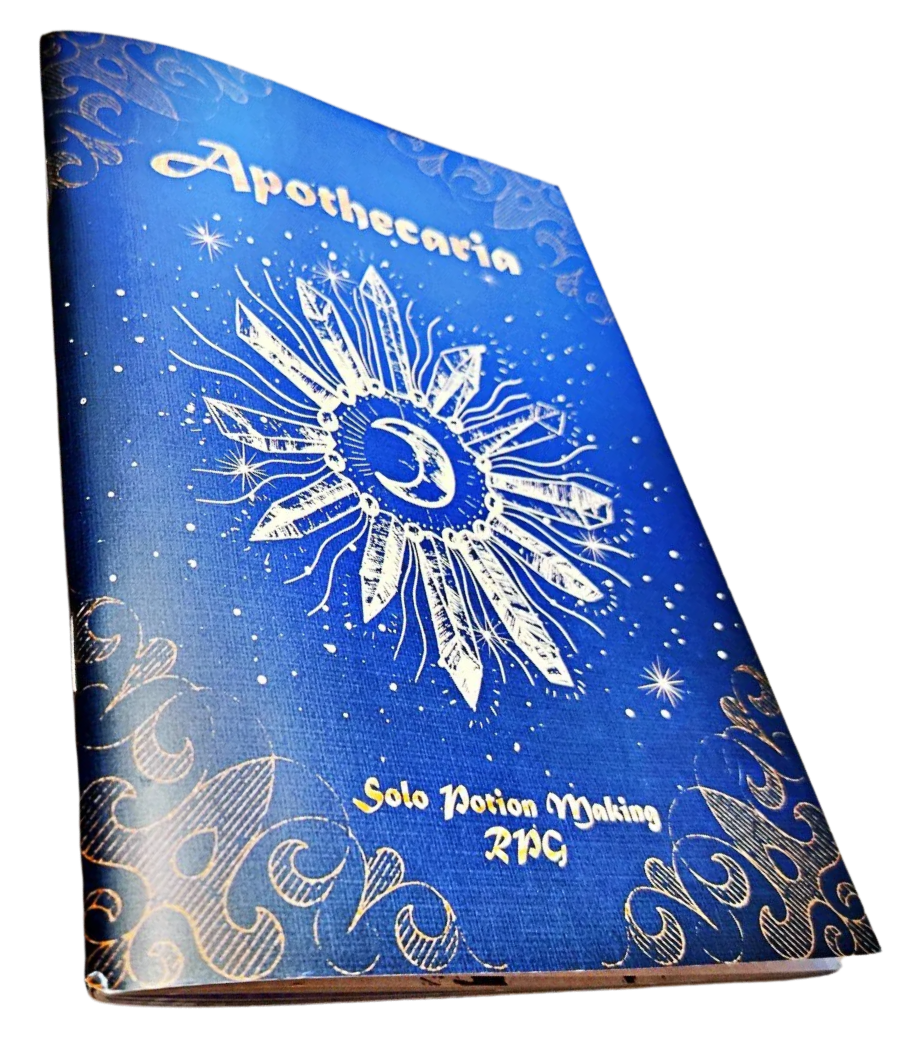
Apothecaria is a solo game that puts you in the role of the village witch of High Rannoc, brewing potions for the unfortunate villagers, adventurers, and monsters who turn up at your door with complaints like Fairy Fever, Candlesick, and Yeti Chest. The designer describes it as reaching for the humor of Theme Hospital and Stardew Valley with the wonder of a Ghibli film, and that is a fair description of what you end up with, which is a journal full of your own recipes and run-ins.
There is a Halloween expansion built around Bogle's Night, the local festival for when the veil goes thin. You ferry lost dead back where they belong, negotiate with the Keeper of a manor that only appears this time of year, and try to put on the best display in the village.

You read that correctly. In this solo journaling game, you are a muffin in a coffee shop and you are making decisions about the folks who come into a coffee shop to order food — and maybe you. You’re a muffin. Show me more pumpkin spice in a game and I’ll buy YOU a muffin.
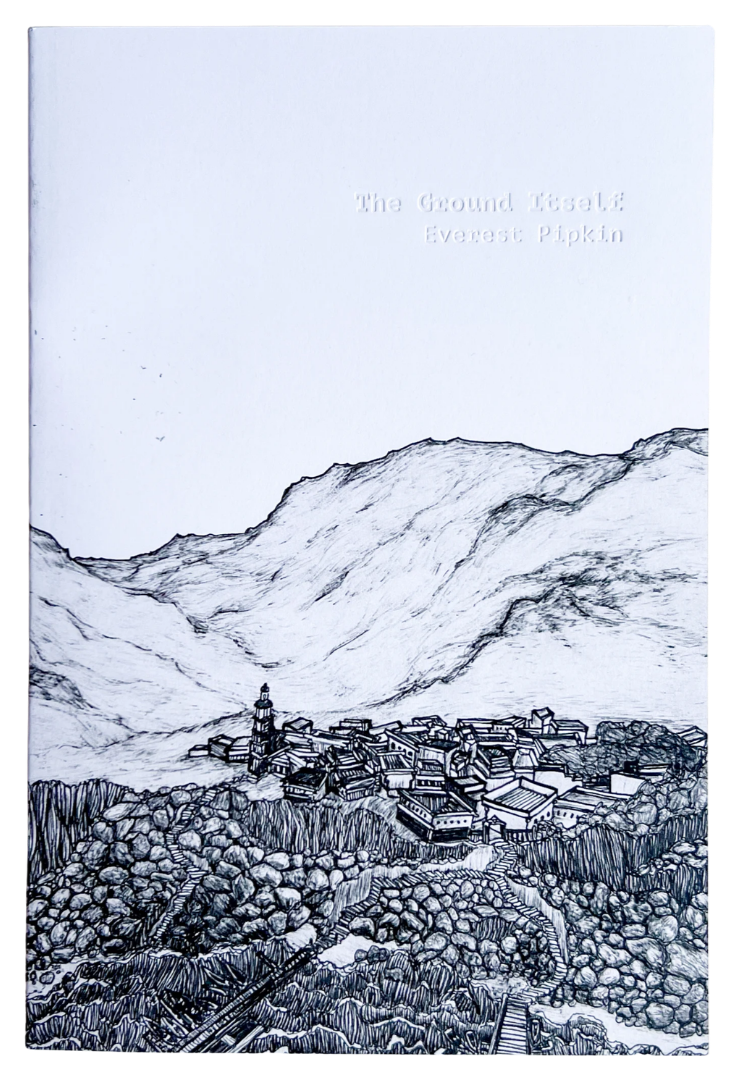
I saved this one for last on purpose. The Ground Itself is a one-session storytelling game for two to five players, played with a coin, a d6, and a deck of cards. You pick a place together, a house or a valley or a stretch of road, and you build it collaboratively before anything happens in it. Then you set a span of time, which can land anywhere from four days to eighteen thousand years, and you move through that span in chunks, with the cards prompting what has changed, who is there now, and what got left behind by whoever was there before.
The people rotate in and out and the place is the thing that stays, which is a lovely inversion of how most games at this table work, and it is why the game rewards a table willing to sit with small details rather than push toward a plot. It runs in an evening, it needs no prep and no prior experience, and it works just as well with two players as with five. Tissues optional but recommended, and yes, scaredy cats, you are safe here too.
One note on running any of these…
Cozy games ask for a different kind of buy-in than horror does, and the failure mode is not somebody getting scared, it is somebody getting shy. Give people permission to be sincere, and go first if you have to — somebody has to be the one who earnestly describes the soup. Go be a small creature with a good scarf.
This article was written by CTGA Secretary, Susan Haarman, PhD. We love introducing players to indie TTRPGs and their next favorite system. If your favorite cozy game wasn’t on the list, we want to know about it! Check out our “GM-Discussion” channel or our “Playtesting” one if you’ve made your own cozy game and need some enthusiastic play-testers. We also hope to see you at our next event!

The information in this blog and on www.chicagotga.org is presented for educational and entertainment purposes. Any statistics, recommended products, or other information is researched in good faith, but no warranty is made to the completeness nor accuracy of the source. All written and multimedia content published here is the intellectual property of Chicago Tabletop Gaming Association (CTGA) or contributing community members and is not for reproduction or sale by third parties. By accessing this site and all its materials, you agree to and acknowledge these terms.